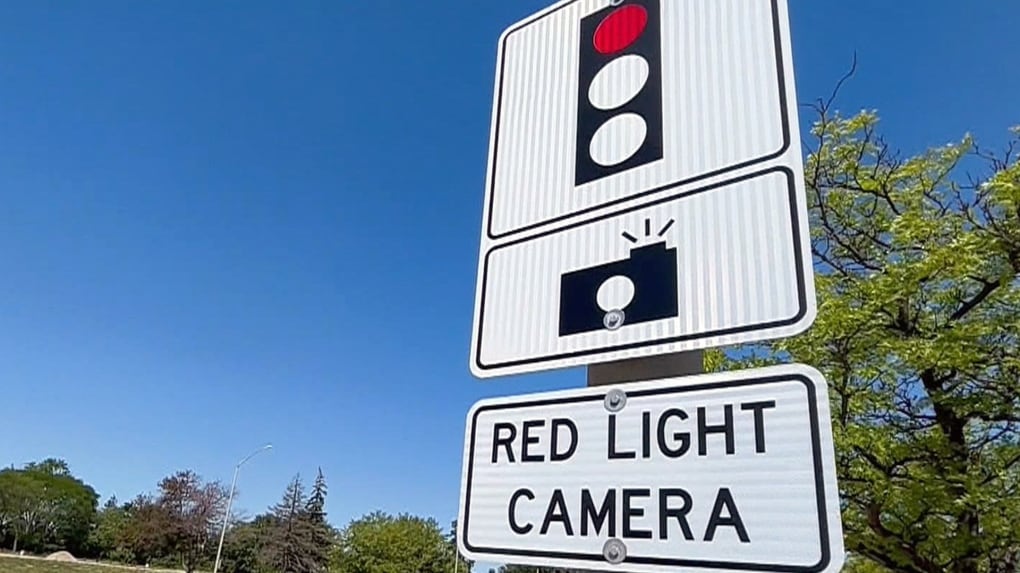
More than 140,000 red-light camera tickets were issued to Toronto drivers last year with one particular location in Scarborough racking up more than double the rate of violations compared to the next most ticketed intersection.
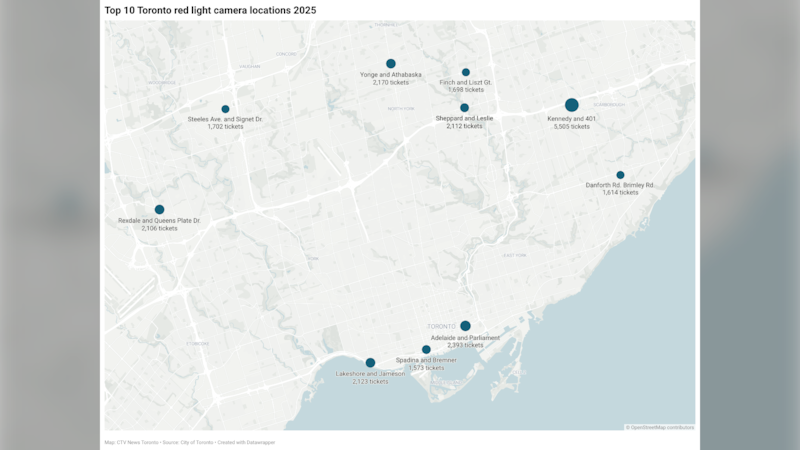
An analysis of the data by CTV News shows four of the top 10 locations where drivers were ticketed the most were located in North York, followed by three in the city’s downtown core, two in Scarborough and one in Etobicoke.
The intersection with the most tickets issued by automated cameras was located near Kennedy Road and the Highway 401 eastbound off-ramp at William Kitchen Road, with 5,505 violations.
“5,500 a year... it’s like 15 a day,” said Matti Siemiatycki, a professor of geography and planning at the University of Toronto. “The reality is, all it takes is just one misstep... and something really terrible has happened.”
That number is more than double the next highest ticketed location at Adelaide and Parliament streets (2,393).
Yonge Street and Athabaska Avenue (2,170) Lake Shore Boulevard and Jameson Avenue (2,123) and Sheppard Avenue and Leslie Street (2,112) rounded out the top five.
Here is a look at the rest of the top 10:
- Kennedy Rd. and Hwy. 401 Off Ramp / William Kitchen Rd. – 5,505 tickets
- Adelaide St. and Parliament St. – 2,393 tickets
- Yonge St. and Athabaska Ave. – 2,170 tickets
- Lake Shore Blvd. and Jameson Ave. – 2,123 tickets
- Sheppard Ave. and Leslie St. – 2,112 tickets
- Rexdale Blvd. and Queens Plate Dr. – 2,106 tickets
- Steeles Ave. and Signet Dr. – 1,702 tickets
- Finch Ave. and Liszt Gt. – 1,698 tickets
- Danforth Rd. and Brimley Rd. – 1,614 tickets
- Spadina Ave. and Bremner Blvd. / Fort York Blvd. - 1,573 tickets
How much money did the city make?
The total number of tickets issued by the city’s network of automated red light cameras in 2025 was 140,621.
According to the city, fines are set at a base price of $325, meaning Toronto generated at least $45.7 million from the program in 2025.
“I know people are struggling financially, but I also think the rules need to be enforced, and especially around road safety, because it’s so easy to ignore the road rules... the risk of just not following the rules is huge. So I think that’s a fair fine,” Siemiatycki said.
When it comes to deciding where cameras are placed, officials say location is determined based on “a data-driven approach that considers collision data.”
The city notes that the responsibly of who pays is directed to the vehicle’s registered owner, not the person behind the wheel.
Officials add that demerit points are never applied and “no one’s driving record will be impacted.”
A changing policy over the years
Toronto’s use of red-light cameras is something that has changed and evolved over time, dating back to 1998 when Ontario first allowed municipalities to use the technology.
According to the city’s open data portal, just four cameras were in operation back in 2007. Now, nearly 300 are spread out across the city.
The province has also increased the dollar figure attached to fines, going from $180 to $325 in 2010.
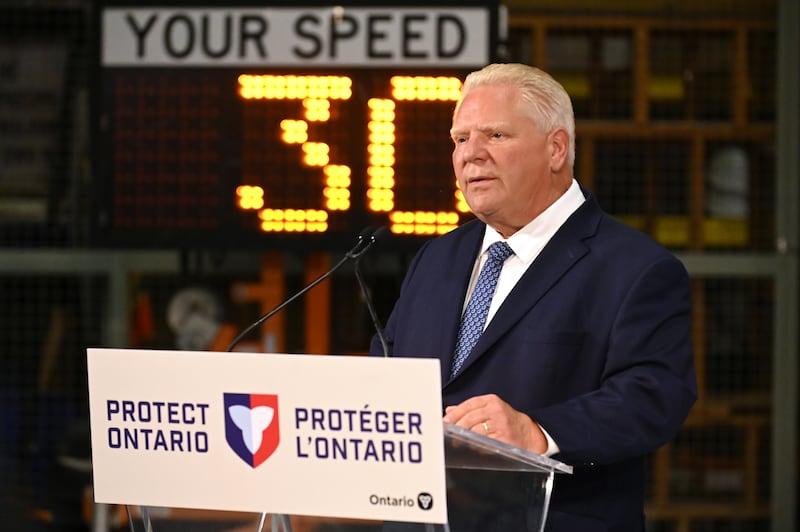
Even with that price change, the city stresses that tickets are manually reviewed and issued by provincial officers — unlike previous Automated Speed Enforcement cameras that were recently axed by Premier Doug Ford late last year.
The city notes “images are reviewed by Provincial Offence Officers and then violation notices are issued to the owner of the vehicle – regardless of who was driving."

