
As the warmer weather arrives in Ontario, so too could a rush of ticks from the United States.
“There is a wave of ticks that are crossing the border and invading Canada,” Nicoletta Faraone, an associate professor at Acadia University in Nova Scotia and the director of the new Canadian Tick Research and Innovation Centre (CTRIC), said in an interview with CTV News.
Faraone says ticks are seeking a more “suitable climate” north of the border, as part of a slow-moving migration observed over the last decade.
“And because of the more suitable climate environment that we have in Canada, it’s promoting their (population) growth,” she said.
According to the Public Health Agency of Canada (PHAC), cases of Lyme disease — the disease most commonly spread by the bite of an infected blacklegged tick (or deer tick) — are up across the country since 2009 and climate change is a factor.
“Over the past decade, there has been an increase in the number of locally acquired Lyme disease cases. This occurred in part due to changes in climate, which has contributed to increases in the abundance and geographic range of blacklegged tick populations in central and eastern Canada,” PHAC said in 2022.
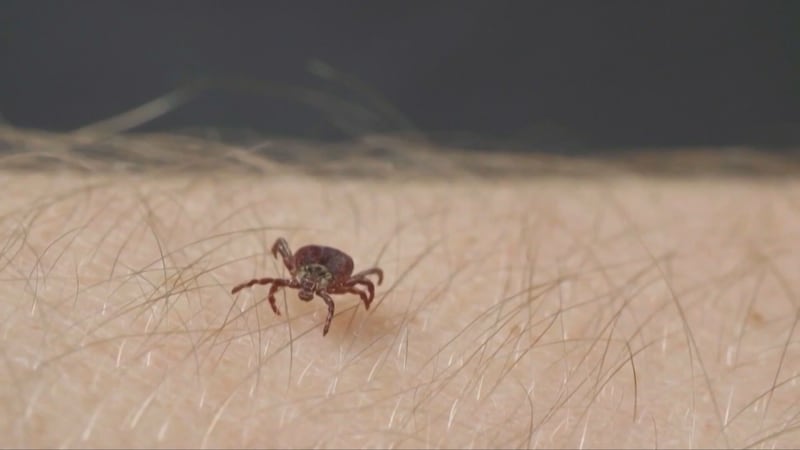
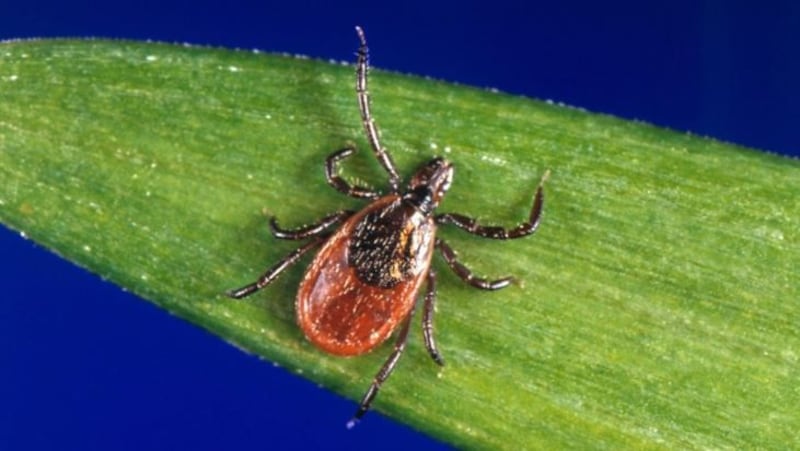
The blacklegged tick is commonly found in Ontario, and although many parts of the province were historically considered “too cool” for certain species of the pests, its climate has become “more suitable” for their growth in recent years, the second edition of Ontario Public Health’s tick report states. The American Dog tick is the second-most common tick in Ontario, but does not carry Lyme disease.
Lone star tick detected in Ontario
That also means that less-commonly seen species of the pests are more regularly popping up in the province, including the lone star tick, which originated in the southern U.S.
“The climate (in the south) is becoming way drier and not anymore suitable. So those ticks are migrating up north,” Faraone said, noting that the lone star tick is being detected in Ontario, especially at the border.
While the lone star tick cannot transmit Lyme disease, a bite can cause alpha-gal syndrome (AGS) — a serious, potentially life-threatening allergy to red meat.
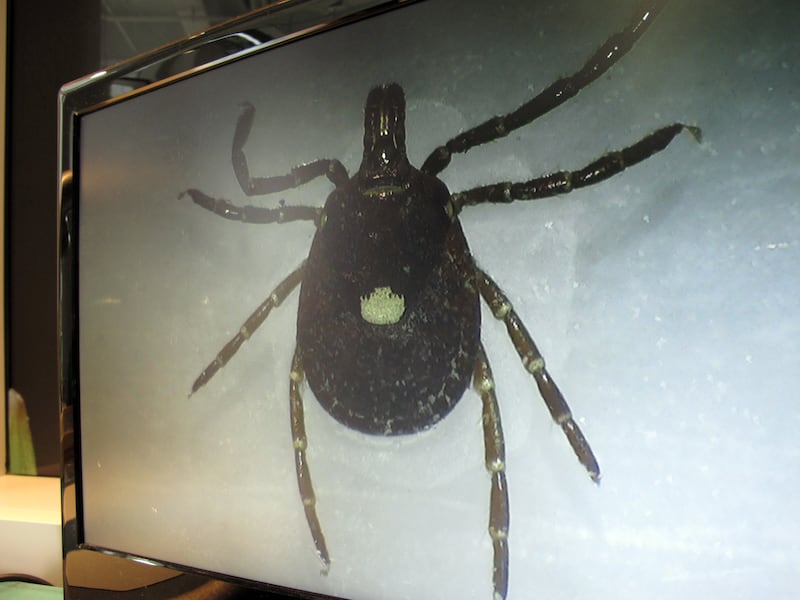
“It’s basically a sort of protein that is present in the tick saliva that is transmitted into the body. When you have (AGS) and you eat red meat, this specific protein will bind with a sugar that is present in the meat, and it will trigger an allergic reaction.”
Despite its recorded presence in the province, a 2024 report on AGS by Public Health Ontario notes lone star ticks don’t have an “established” population locally and the risk of catching the disease is low.
Tick bite prevention 101
As more Ontarians head outdoors to enjoy the warmer weather after a long winter and cold start to spring, Faraone says there are a few things you can do to protect yourself, your family, and your pets from a tick bite.
She said wearing repellent is key.
The Ontario government advises using an insect repellent or bug spray that contains DEET or icaridin. For pets, owners are encouraged to talk to their veterinarians about prevention options.
- READ MORE: How to avoid getting a tick bite
“Treat yourself and your dog as well, because pets can accidentally bring ticks into the household, and you don’t know, and you get exposed in this way,” she said.
Wearing the right clothing when venturing into heavily-wooded areas is also important. That includes long-sleeve shirts and pants that can be tucked into your socks. Light-coloured articles will also help you spot ticks more easily if they latch onto you.
“When you come back from your outdoors time, make sure that you do your tick check, you remove your clothing, and put the clothing in the dryer at a high temperature, because they will dry out the ticks and they will die.”
What if I’m bitten by a tick?
If you or someone you know is bitten by a tick, Ontario’s Ministry of Health advises against crushing or damaging the insect as it could cause Lyme bacteria to pass into the bloodstream.
Instead, use tweezers to grab the tick and pull it out. Once removed, wash the affected area with soap and water and then disinfect your skin and hands with rubbing alcohol.
“Before disposing of the tick, call or check the website of your local public health unit to get advice on how to identify the tick. You can also submit a photo of the tick to etick.ca for identification,” the government says.

