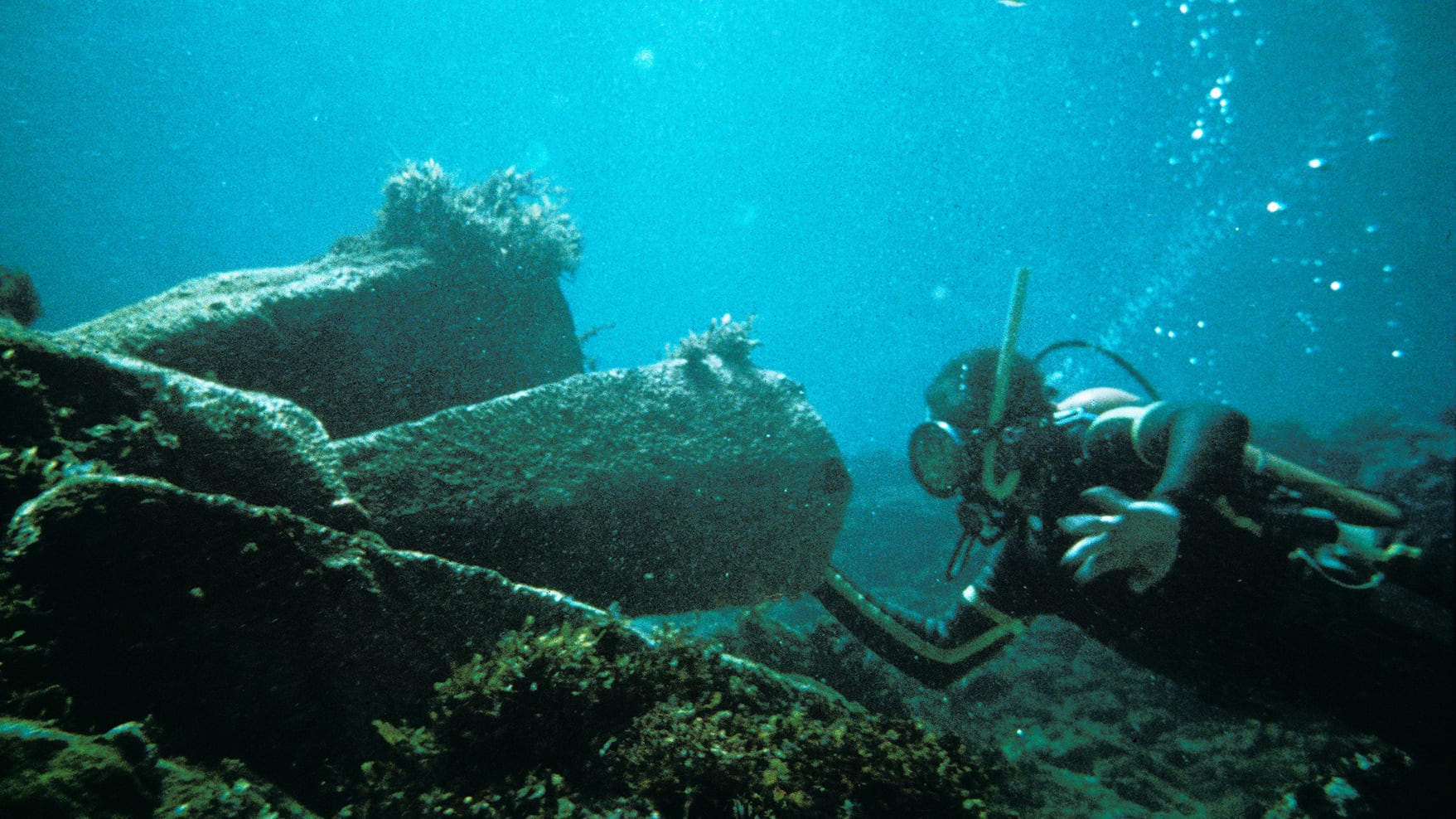
A 400-year-old shipwreck off Western Australia is revealing new details about how global trade networks operated in the 17th century, researchers say.
Researchers at Curtin University in Perth, Australia, analyzed stone blocks, bricks and ballast from Batavia, a Dutch East India company ship that sunk in 1629. They found that the materials came from multiple quarry sources in Europe, not just one site as previously assumed.
The findings were published on Wednesday in the Journal of Archaelogical Science.
Lead author Anthony Clarke and his team traced the origin of the material by using an advanced geochemical technique known as detrital zircon U-Pb fingerprinting.
Detrital zircons are tiny mineral grains that are weathered from older rocks and carried by wind and water into new landscapes, according to the European Geosciences Union.
“Historical records are incomplete, and after nearly 400 years underwater, these stones can look very similar, making them difficult to identify,” Clarke was quoted in the university’s media release shared on Wednesday.
“We wanted to know if tiny mineral grains could give us a reliable fingerprint of where the stone formed, and help reveal how the Dutch East India Company sourced and transported materials across its global network,” he added.
“Detrital zircons are chemically and physically resistant to weathering,” Wednesday’s study reads, which makes them ideal for dating sediment paths.
The analysis revealed that the rocks comprised of materials from the Bentheim and Obernkirchen quarries in the Lower Saxony Basin in Germany.
“We found these stones were sourced from at least two different quarry areas, then brought together into a single shipment before being sent halfway around the world in a highly organized supply chain more than 400 years ago,” Clarke was quoted.
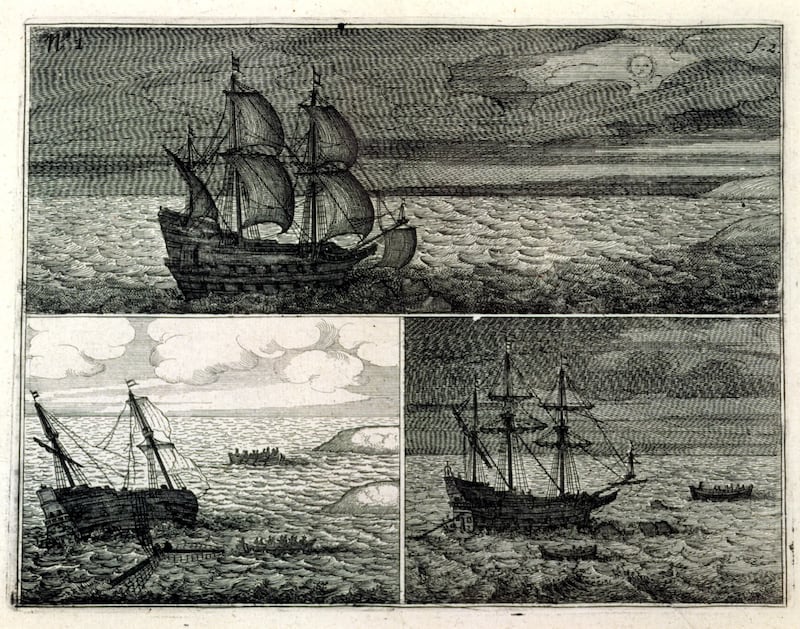
Batavia had set off in October 1628 for the East Indies with 341 people on board and cargo containing silver bullion, commercial goods and construction materials, the study reads. Onboard mutiny led the ship to stray off course and in June 1629, the vessel wrecked in the Abrolhos islands.
The shipwreck has since become infamous for the mutiny and mass murder among the survivors that followed shortly after.
When the wreck was discovered in 1963, archeologists at the Western Australian Museum excavated the area and recovered hundreds of prefabricated sandstone, clay bricks and ballast stones.
Identifying where the materials come from could be instrumental to helping historians understand more of 17th century trade logistics, cost management and infrastructure management, particularly in the Dutch East India Company’s early days, according to the study.

