
ST. JOHN’S – It took months of searching, but Allyssa McCarthy finally found a home in St. John’s that ticked off her entire checklist.
She wanted three bedrooms — spacious enough for herself, her boyfriend and his son — with roofing and flooring that wasn’t out of date.
The most important consideration was her budget, trying to keep the mortgage cost affordable for her family.
But even as a price-conscious buyer, McCarthy had to shell out big for her new mobile home in the Goulds area of St. John’s. To beat out more than a dozen other bids, she says she paid an additional $56,000 — about 30 per cent — more than asking price.
“Everything is overpriced, overselling, going well above what they’re asking,” McCarthy said. “The bidding wars are insane.”
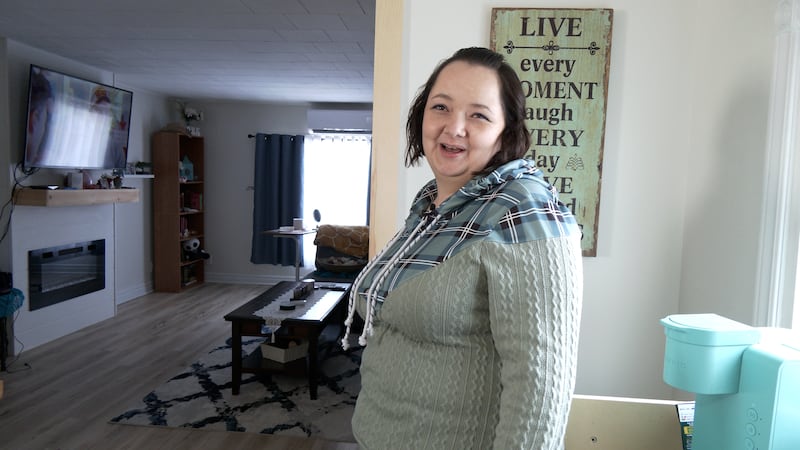
The trailer court in the Goulds neighbourhood of St. John’s is not where you’d traditionally expect to find house bidding wars, but the red-hot housing market in the St. John’s region has turned traditional expectations upside down.
Statistics compiled by the Canadian Real Estate Association show there are fewer “months of inventory” — a measure of how many homes are for sale compared to how many finished transactions — than ever before in St. John’s.
Median prices have also been increasing, their steady climb, up about 6.6 per cent year-over-year after the first quarter of 2026.
It’s a big difference from average prices in other parts of the country. According to CREA data, average prices for homes across Canada have mostly stayed flat since 2023, and have fallen from a peak in 2022.
“It gets like, mentally exhausting looking for houses these days,” McCarthy said.
While this new home was her first offer, she spent months trying to find others that would suit her families’ needs.
“After a while you just become deflated,” she added. “It’s like, is this ever going to happen for me? Am I ever going to get a home?”
Years of slow housing construction, combined with a post-COVID-19 pandemic bump in immigration interest in Newfoundland and Labrador, created a competitive market for buyers.
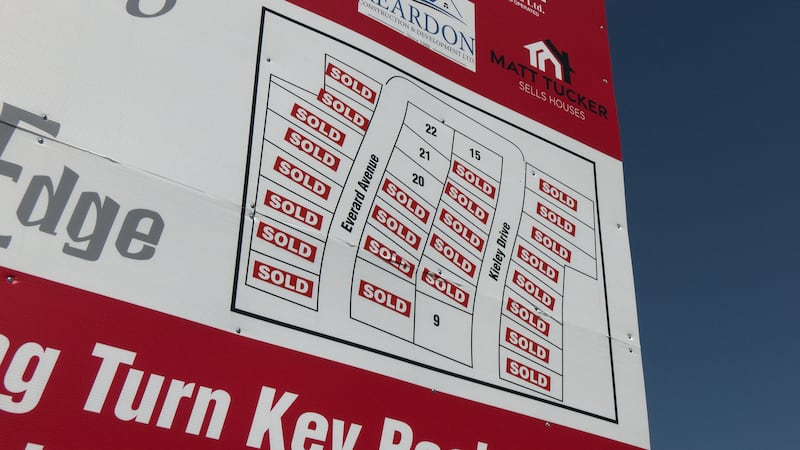
Hillary Hodder, McCarthy’s real estate agent, estimated that about 50 per cent of her clients are purchasers living outside the province.
“They’re getting ready to retire (and come home). I’ve even had customers from the U.S. looking to relocate to Newfoundland,” she said.
Jason Piercey, a real estate agent in the St. John’s area, said housing construction still hasn’t rebounded from an economic slowdown in 2014 — when oil prices plummeted and offshore oil and gas activity in the province slowed.
“Even when oil recovered, (housing construction) did not,” he said. “We’ve had a shortage of new homes that would have been built every year for over 10 years.”
It’s not a lack of will — construction companies are simply struggling to find skilled workers to start the work required, according to Kelly Rogers, CEO of the Canadian Homebuilders Association in Newfoundland and Labrador.
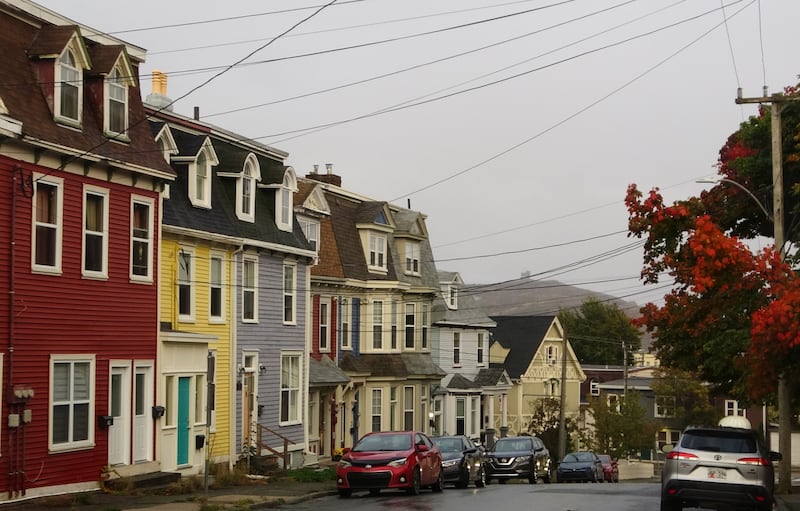
She also blames increases in development fees and taxes, tariff costs and the costs of materials — each, according to her, slowing construction activity.
The Canada Mortgage and Housing Corporation suggested in 2024 that Newfoundland and Labrador needs to dramatically increase its rate of construction — in the neighbourhood of 10,000 houses per year — to meet demand.
That would involve more than doubling it.
It’s an ambitious goal: In 2025, there were about 1,600 housing units starting construction in the province.
“Even if we had a thousand units to go in the ground this summer, that’s still a year before those houses are really available, right?” said Bill Stirling, head of the Newfoundland and Labrador Association of Realtors.
That means the hot market in the city might just become a new fact of life.
“It’s going to be a while, unless something changes in the economy.”
With files from NTV

