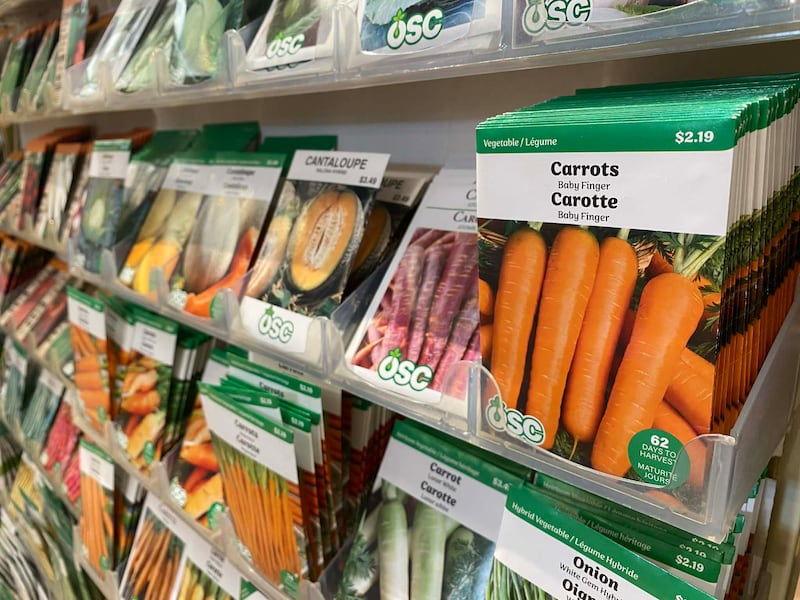
The demand for vegetable seeds is surging at one Saskatoon garden centre as more Canadians look for homegrown solutions to steep grocery costs.
A noticeable increase in seed sales at Dutch Growers started last year when the garden centre ran out of carrot seeds in mid-March. This year, customers started stocking up even earlier.
“With the rising food prices, we’re seeing seeds fly off the shelf,” said Jill Vanduyvendyk, owner of Dutch Growers Saskatoon.
“I think it’s a little bit to do with food security, but it’s also people taking control back into their own hands.”
The most popular seeds are the ones that are “tried and true,” according to Vanduyvendyk.
Beans, potatoes, carrots, lettuce and herbs typically give gardeners the most bang for their buck, she said, and produce the strongest yields.
But this year, beets have worked their way up in popularity. The store already ran out of certain beet varieties and is working to restock potatoes.
On top of a spike in sales, Vanduyvendyk has seen an influx of first-time gardeners enter her store, particularly young gardeners.
“They’re wanting to be a part the Earth, making sure that they’re a part of something sustainable,” she told CTV News.
Gardening sprouted in popularity at the onset of the pandemic, according to data from the Agri-Food Analytics Lab at Dalhousie University.
In 2022, about 22 per cent of Canadians were growing something.
Sylvain Charlebois, the lab’s director, believes the rate has dropped since then, but not by much.
It’s likely there is a fresh crop of aspiring gardeners, he said. But if the main motivation is to save on groceries, he believes beginner gardeners may be out of luck.
“Gardening is a lot of work and it’s actually quite costly,” he said, pointing to upfront costs like tools, soil, planters and other supplies.
“If you’re planning to start this year, you need to commit for several years in order to save money.”
Savings verses sustainability
Canadian families can expect to spend nearly $1,000 more on groceries this year, according to Canada’s Food Price Report.
Price tags on produce, dairy and meat could shoot up even more than expected due to soaring fuel prices.
“It’s costing more to transport food, so eventually we’ll see food prices being impacted,” said Charlebois, adding produce prices have already been adjusted to reflect the fuel surcharges.
If Canadians are hoping to save money by growing their own food this summer, Charlebois says the best bet is to participate in a community garden.
For Kristen Raney, a flower farmer by trade, the decision to expand her vegetable garden this year is rooted in availability, rather than cost-cutting.
“Gardening can be as cheap or as expensive as you want it to be,” Raney told CTV News.
“My hope is just to grow as much as I can, and at the very least, if anything happens there’s food in the freezer.”
Start small and grow
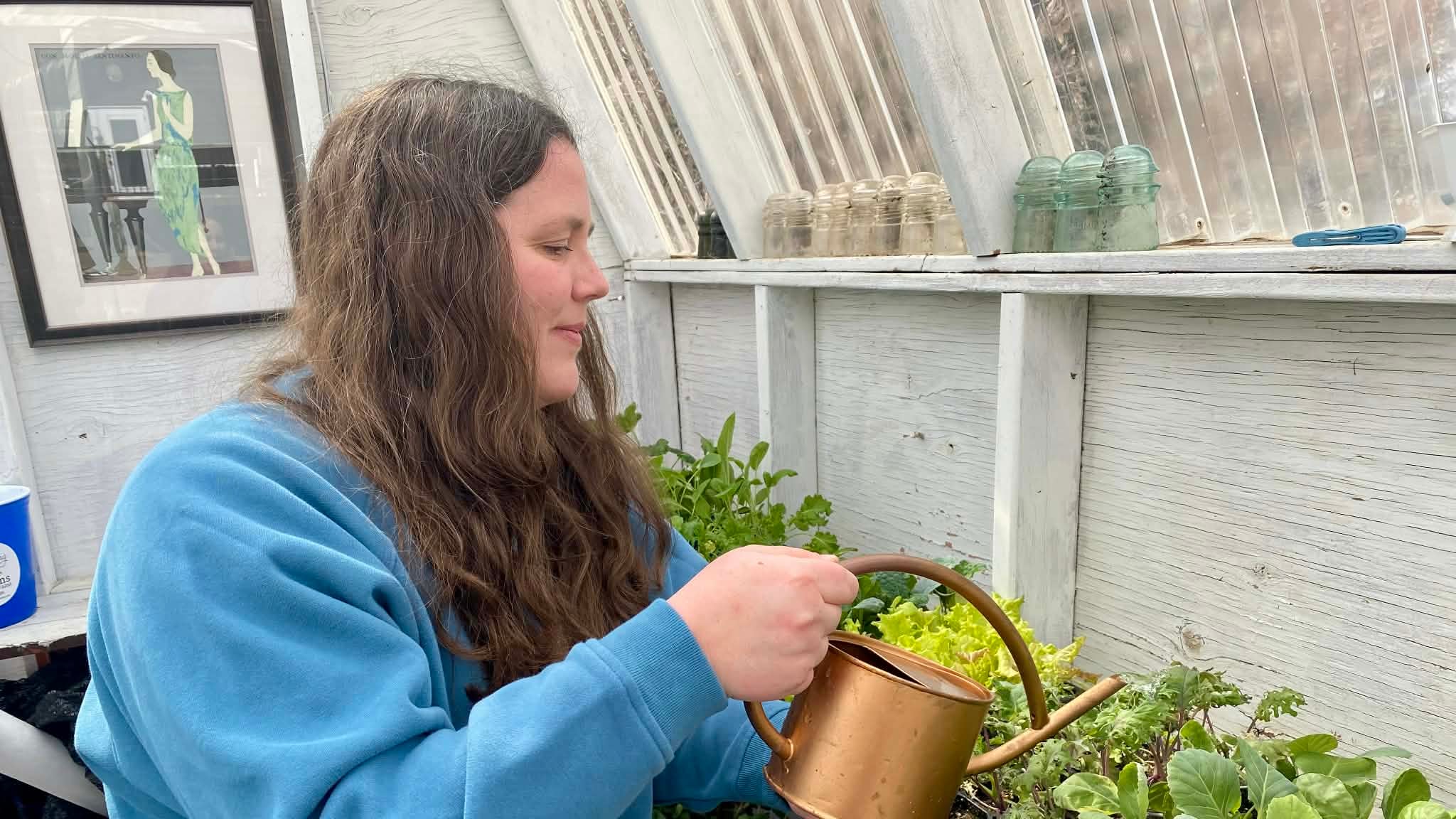
Raney, a gardening educator, seed-started almost all her vegetables this year to make it easier for them to germinate in sandy soil. She said the process isn’t necessary when planting in clay soil.
For beginner gardeners, she recommends sticking to the vegetables they know their family will eat.
Raney plans to grow a mix of corn, potatoes, tomatoes, carrots, spinach and kale. She said root vegetables tend to grow the best in the soil around Saskatoon.
“Don’t forget to plant a few flowers, too,” she said. “They help out the pollinators, which is going to in turn help out your vegetables.”
Vanduyvendyk says gardeners shouldn’t be afraid to try something new. But if they are just starting out, she says to start small.
No matter the space, she says there’s always potential to grow something.
“We’re finding that people are gardening not only in large gardens in rural communities, but in small spaces as well … even apartment buildings,” she said.
“Just figure out what you’re going to use in your kitchen and then go from there.”

