Confusion over best before dates is causing billions of dollars-worth of safe, edible food to be wasted every year in Canada, according to a recent report.
The report from food rescue organization Second Harvest shows $12.3 billion worth of food doesn’t make it to the grocery store shelves or is pulled prematurely due to “arbitrary best before dates.”
“Nobody produces food or makes food or buys food to throw it away, so let’s stop doing that,” said Second Harvest CEO Lori Nikkel.
Pre-packaged foods with a shelf life of 90 days or less are required to have either a best before date or packaged on date, according to the Canadian Food Inspection Agency.
Products with a shelf life over 90 days are not required to have a best before date, according to Nikkel, but she says many products are moving towards the practice.
“Best before dates are about peak quality. They have nothing to do with safety,” Nikkel said.
Best before dates are not the same as expiration dates.
Expiration dates are required on a handful of products, including baby formula. Those products should not be consumed beyond the expiry date.
Research out of Dalhousie University suggests most Canadians rely on best before dates to determine if food is safe, leading to unnecessary food waste.
“We believe that best before dates are costing households anywhere between $150 to $300 a year just because they’re throwing away perfectly safe food,” said Sylvain Charlebois, director of Agri-Food Analytics Lab at Dalhousie University.
Second Harvest wants to see clarity around labelling to help consumers distinguish between safety and quality. The group is calling for unnecessary dates to be removed from certain shelf-stable foods and a national strategy for food waste reduction.
Tips for tackling food waste
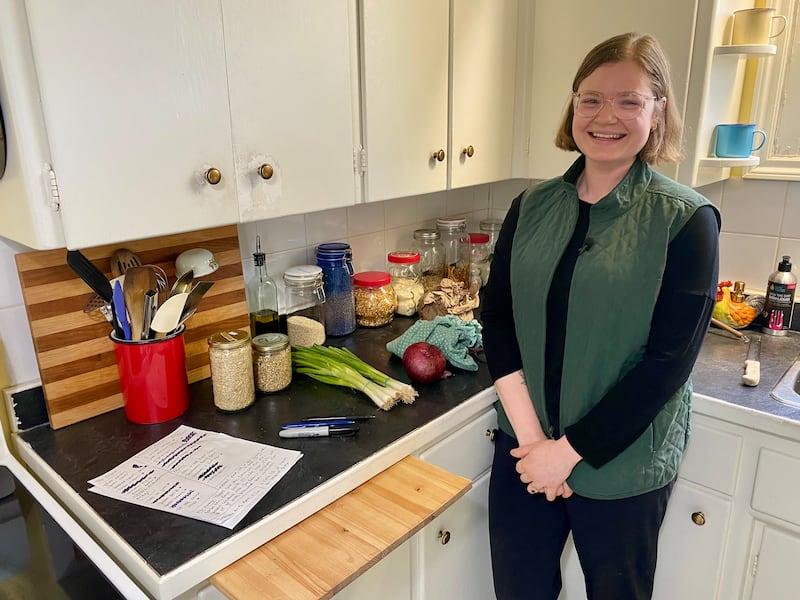
Naomi Hansen was throwing slimy cucumbers into her compost bin when it struck her that she had something to learn about food waste reduction.
The Saskatoon-based food writer and author actively tries to reduce food waste in her everyday life. It’s been a goal of hers for the last five years and it’s something she literally wrote the book on.
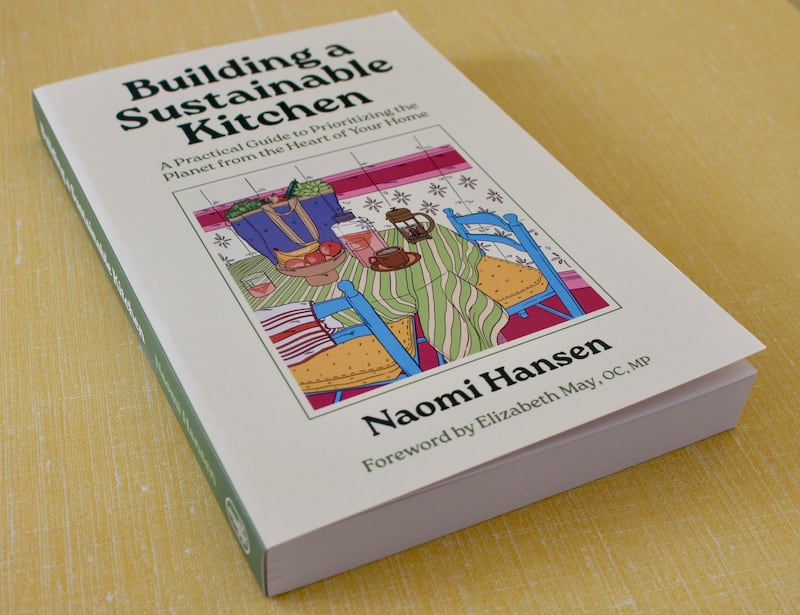
The first chapter of her new book, “Building a Sustainable Kitchen,” focuses on food waste reduction.
Hansen takes inventory of everything in her kitchen to make sure she knows what she has and when she needs to eat it. She freezes food before it goes bad and uses vegetables discards, like peels and stems, to make broth.
“Those are just types of things that you practice them and they become habits,” she told CTV News.
“It saves you money and in terms of some other climate actions, I would say it’s kind of relatively easy to tackle.”
Hansen will use food beyond its best before date as long as it’s been stored properly. But she often doesn’t get to that point, because of the way she keeps tabs on her food.
“I write down the things that need to be used and the things that are maybe going to go bad faster,” she said. “Then I refer to that list regularly. Before I go to the store, before I buy more food, I look at the list.”

