This is the final instalment of a W5 four-part investigative series exposing corruption at Canadian airports. Watch the full documentary “Trafficked: The Airport Conspiracy” Saturday at 7 p.m. on our CTV News YouTube channel and on CTV.
Whistleblowers tell CTV News’ investigative unit W5 that organized crime has infiltrated Canada’s largest airport, as they call for sweeping reforms.
It took the horror of Sept. 11 to force airports around the world into a massive security overhaul to guard against terrorism.
Passengers became the focus of intense scrutiny: shoes off, liquids ditched, carry-on luggage scanned, bodies searched.
But former investigators interviewed by W5 say there has never been the same reckoning over the dangers posed by insiders working behind the scenes at airports themselves.
A W5 investigation uncovered at least 17 cases over the past year in which innocent passengers traveling to or from Canadian airports had their baggage tags switched onto suitcases filled with drugs, sometimes leading to detention in foreign countries.
- If you have information on airport corruption or a story idea, send a confidential email to avery.haines@bellmedia.ca or joseph.loiero@bellmedia.ca
Former RCMP organized crime investigator Ulisses Botelho says insider corruption is central to how criminal organizations move narcotics through airports.
“Mission critical,” Botelho said. “Without it, it doesn’t exist.”
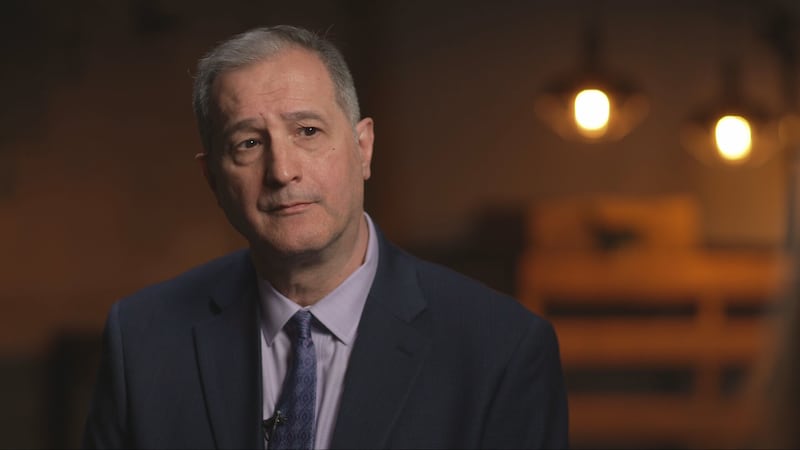
Botelho says Canada has spent decades hardening airport security against passengers while failing to confront what he believes is a growing insider threat.
“There are a lot of things that we, as Canadians, as agencies, as law enforcement can be doing, that can dampen organized crime, dampen that corruption at these sensitive sectors, that is not being entertained, and it’s unfortunate,” he said.
W5 EXCLUSIVES
- Part one: Luggage-tag switching scheme involves flights from Canada to countries where drug smuggling can carry death penalty
- Part two: Investigation reveals security gaps and organized crime at Toronto airport: ‘You could walk out carrying a cruise missile’
- Part three: Air Canada employee accused in Canada’s largest gold heist had been on police radar for years
- Part four: Whistleblowers say organized crime has infiltrated Canada’s largest airport
Investigators say airport workers need more oversight
Botelho believes one of the most effective ways to reduce corruption inside airports would be dramatically increasing oversight of employees working around luggage and aircraft.
He says workers in secure baggage areas should wear body cameras and be prohibited from carrying personal cellphones while on duty. Instead, he says, communication should happen over recorded radio systems.
“That would solve a lot of the issues, because then we could see what they see,” he said.
W5 asked Toronto Pearson if it would consider implementing recommendations such as employees wearing body cameras and being prohibited from using personal cellphones while working.
In a statement they replied; “Baggage handlers are not airport authority employees – they are employed or contracted by individual airlines. The GTAA continues to work with airport employers and police to find the most effective methods to combat drug smuggling.”
Botelho also believes airport workers should face stricter screening and monitoring standards similar to those imposed on passengers.
‘Like in casinos, you monitor every move’
Former York Regional Police Inspector and Toronto Airport Intelligence Unit investigator Dieter Boeheim says surveillance systems at Canadian airports need to fundamentally change.
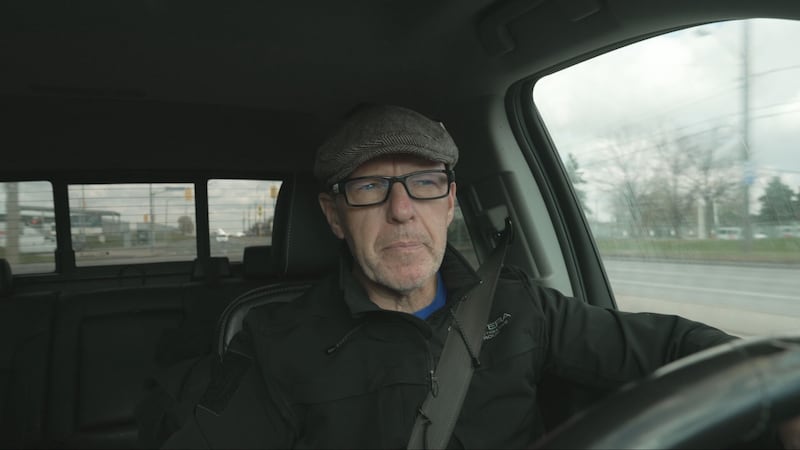
Pearson airport has roughly 4,000 security cameras, but he argues that cameras alone are not enough if nobody is actively monitoring employee behaviour in real time.
“When you walk into a casino, you’re on camera from the moment you step into the casino to the moment you step out of it,” he said. “At the airport, it can be similar.”
“Like in casinos, you monitor every move by a person, not just have the cameras there.”
Shift swapping, weak tracking systems create blind spots
Boeheim says airports also need tighter controls over employee access cards and scheduling systems.
He says workers can access restricted areas even when they are not officially scheduled to work. Shift swapping can also create confusion over who actually handled a specific aircraft.
“One person can switch with another person unbeknownst to the scheduling people to unload a certain plane,” he said.
For investigators trying to determine who may have handled narcotics removed from a flight, that creates a major obstacle.
“It’s not that easy because we don’t actually know a hundred per cent who worked at that plane.”
His solution, he says, is straightforward.
“If you’re not scheduled to work, your access card shouldn’t open the door.”
When asked whether Transport Canada would consider prohibiting employees from accessing restricted areas when not scheduled to work, they told W5 in statement that; “There are numerous legitimate reasons why an individual may arrive to work early, leave late or swap shifts with another employee, that would be outside of a government’s authority to fully control.”
Investigators: Vulnerabilities could threaten passenger safety
Former investigators say the same security gaps that allow narcotics to move through airports could also be exploited by someone intent on causing mass harm.
“If you think about it, if I can put 10 kilos of cocaine on an aircraft, ... I can use the same process and put one kilo of explosive on that same aircraft,” Boeheim said.
“It’s a big concern for passenger safety. What if some entity wants to bomb a plane and use those processes?”
Canadians changing the way they travel

The fallout from insider corruption is already changing how some Canadians travel.
Toronto woman Nicole says she lost trust in the airport baggage system after someone placed her baggage tag onto a suitcase filled with methamphetamine.
“I literally handed my bag to you and your one job was to get it safely on the plane,” she said. “I never in a million years would have thought that something this simple would happen.”
Now she photographs her luggage before every flight and records video as it disappears onto the conveyor belt.
In Winnipeg, Jan and Charlene say they have also radically changed the way they travel after Jan was wrongly accused of trying to smuggle marijuana into Germany through Pearson airport.
“We’re taking pictures of the contents of our bags before they’re packed,” Charlene said. “We’re taking pictures of our bag with the bag tags at the belt.”
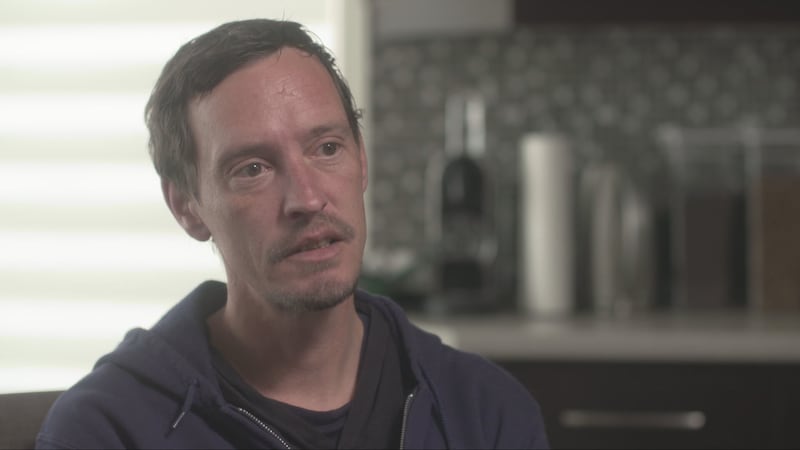
He also records the weight of his bag, so he has evidence in case anyone puts something in his suitcase after check-in.
Jan says despite being cleared, he continues to be flagged for secondary searches when he flies.
For him, the central question remains unanswered.
“Who is in the end, who is accountable?” he asked.
“They have to put measures in place to change this in future.”

