FREDERICTON, N.B. – He was the type of person who couldn’t walk past someone in need on a sidewalk.
Rather, Ken Jenkins would ask them what they’d like to eat and go get it for them.
His wife often saw that kindness in action.
“Sometimes a little too kind at a cost to him. But right about now, I think the world needs a little more of that,” Joanie Jenkins said.
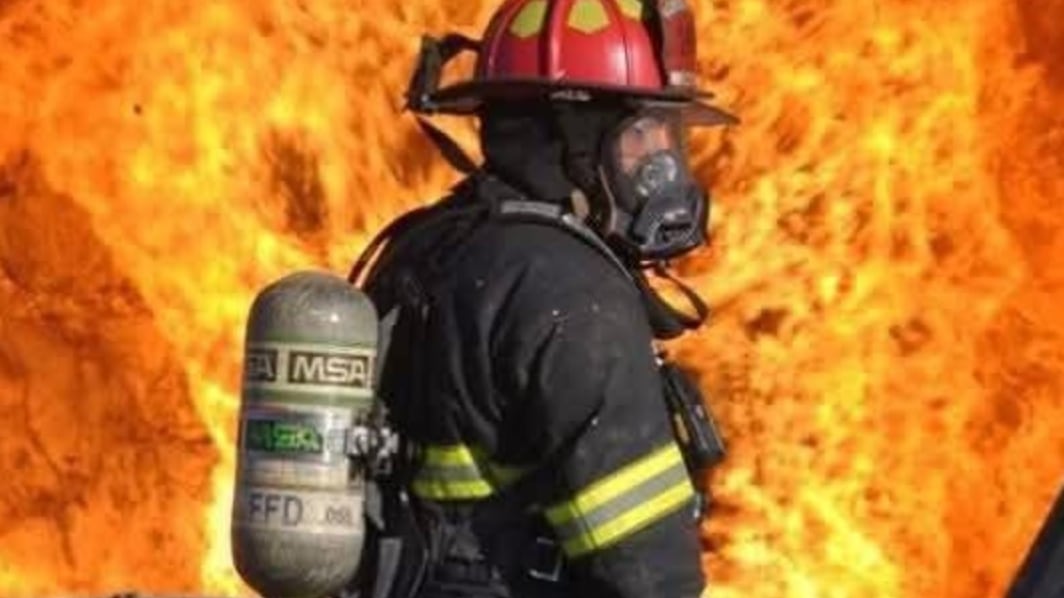
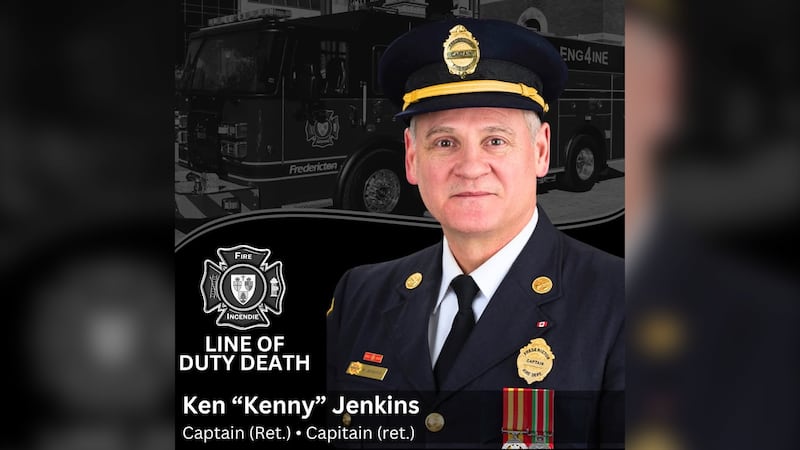
Ken Jenkins died from a glioblastoma in March, seven months after he was diagnosed with the brain tumour. It was immediately recognized as a line of duty death. Jenkins had spent over 30 years as a firefighter in Fredericton.
According to the federal government, firefighters have a nine per cent higher risk of a cancer diagnosis, and a 14 per cent higher risk of dying from cancer than the general public.
Of the 31 firefighter fatalities in New Brunswick over the last decade, 29 were due to cancer, according to WorksafeNB.
“He was in denial. In all fairness, I didn’t even know what glioblastoma was, and I’ve been in the nursing profession for 30 years,” Jenkins said. “It wasn’t until we did a deep dive on it that we realized the beast we were facing.”
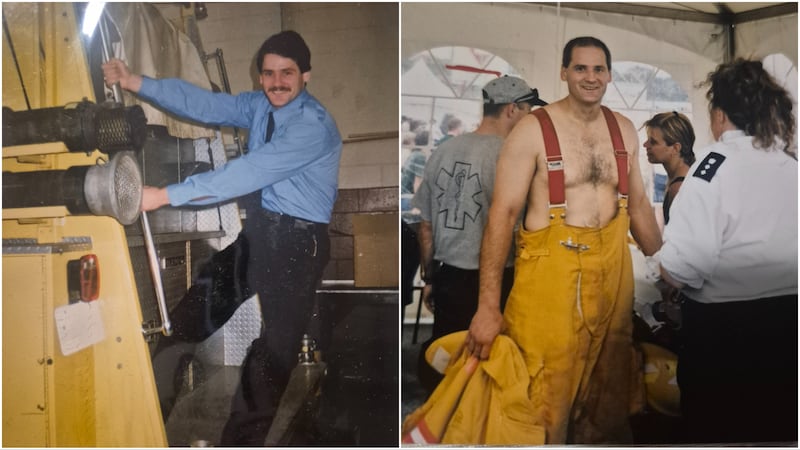
She said Ken was working out, lifting weights in August. By the end of September, it took everything he had to go for a walk. The tumour was rare and extremely aggressive, she said.
Jenkins spent three months undergoing treatment and finished just before Christmas. Less than a week later, he was back in the emergency room.
“This time it was all the more aggressive. The tumour originally was in his right anterior temporal lobe. It was about the size of a golf ball. It grew to about the size of a small clementine. And then he had two other tumours deeper within the thalamic area of the brain. At that point, I knew what we were looking at,” she said.
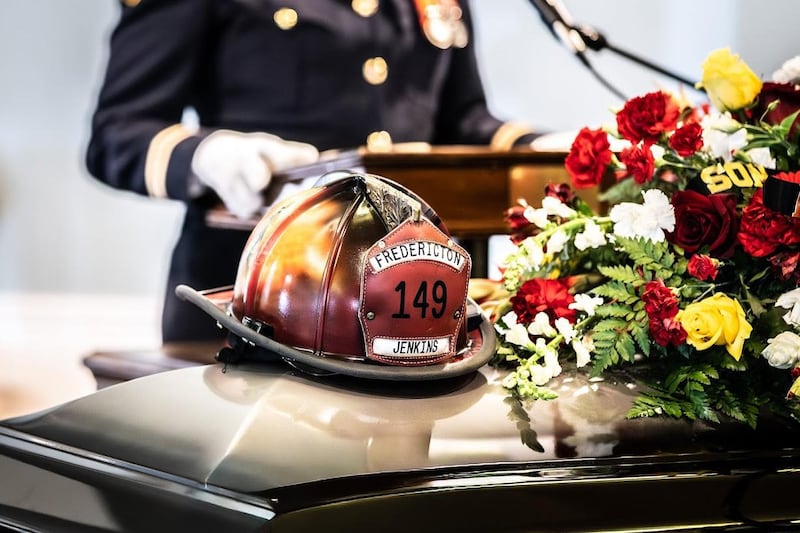
On March 13, at 63, Ken lost his last battle.
While Jenkins doesn’t resent the career that brought her husband so much joy, she wishes she had known more about the risks of cancer and firefighting along with glioblastomas.
“I did say once: ‘the career Ken loved is going to kill him.’ But Ken didn’t see it that way,” she said.
When the fire chief called to tell Ken, he needed to make an occupational work claim because of the cancer, Ken initially said no.
He agreed after it was made clear that recognizing his cancer as a presumptive occupational illness could shine a spotlight on the dangers of firefighting.
More change needed
According to WorksafeNB, the province recognizes ten cancers as presumptive occupational illnesses under the Firefighters Compensation Act:
- Primary site brain cancer
- Primary site bladder cancer
- Primary site colorectal cancer
- Primary site oesophageal cancer
- A primary leukemia
- Primary site lung cancer (in a person who has not smoked cigarettes for a minimum of 10 years before the initial diagnosis)
- Primary site kidney cancer
- A primary non-Hodgkin’s lymphoma primary site testicular cancer
- Primary site ureter cancer
In Nova Scotia, 20 cancers are recognized. B.C. recognizes 24.
New Brunswick needs to catch up, says Barry Durling, president of the Fredericton Firefighters Association. Specifically, he notes there are more female firefighters joining departments across Canada, and reproductive cancers are not always recognized.
“I would just like to see New Brunswick firefighters treated the exact same as firefighters in Nova Scotia, B.C., Ontario,” he said. “Cancer is killing our firefighters, and we need to do everything possible to prevent us losing any more members.”
Durling served the city as a firefighter for 25 years.
He knew Ken very well. He also knew two other Fredericton firefighters who died of cancer in the last few years.
Durling says he just attended a funeral for a friend and firefighter in St. John’s, Newfoundland and Labrador, who died of cancer.
He believes it’s only time before he’s diagnosed too, saying three Fredericton members were diagnosed with testicular cancer within one month. The team has 120 members.
While the risks of running into burning buildings is understood, Durling said change has been slow in equipping firefighters with the safest possible gear.
“Come to find out that our turnout gear is laced with forever chemicals, known as PFAs. And they’re absorbing through our skin when we sweat and getting into our bloodstream, causing cancer at alarming rates,” he said.
Ken wore that gear his whole career, said Durling.
Next year, all Fredericton firefighters are getting new gear, considered chemical-free, at a cost of several thousand dollars a suit.
“There are very few fire departments that have switched over to the PFAs free gear,” he said referencing departments across Canada. “We’ve all signed up to do this job to help people. That’s never going to change. No matter what the circumstances are, we put ourselves last and others first.”
Her best friend
Joanie Jenkins would like to see those changes made so more families get to see their loved ones live well into their retirement.
The breast cancer survivor would also like to see more awareness and research done on glioblastomas.
“I think people need to realize breast cancer was terminal 45 years ago, and we now have really good treatments and great screenings, but we don’t know what causes brain cancer,” she said. “We certainly know some risk factors and Ken had one of those risk factors.”
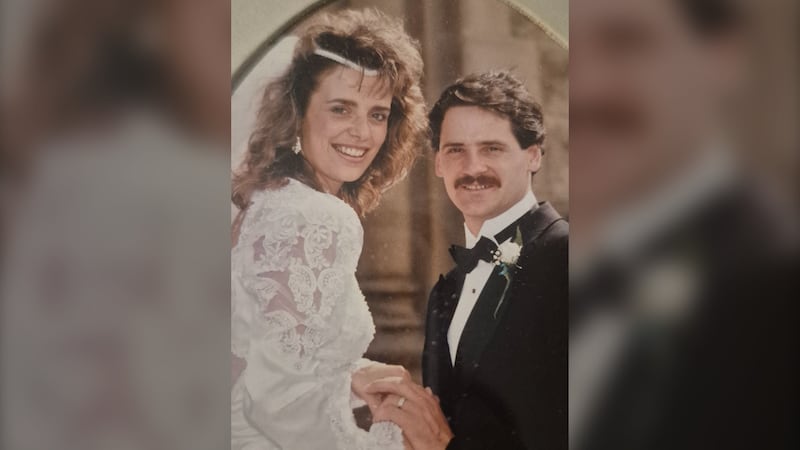
The couple were married 35 years. Firefighting brought the two together in the first place.
It was almost four decades ago when the city’s firefighters were asked to escort the Miss Fredericton pageant participants. A friend had convinced Joanie to become a contestant.
Ken was paired with her.
“Shortly thereafter, we both kind of knew we wanted to stick together,” she said.
Jenkins said Ken had four loves of his life: her, their two boys, and firefighting.
She hopes people learn from his legacy of service and kindness.
“I think sometimes in society we kind of don’t really encourage that or it’s not something that’s applauded, but it was truly him,” she said.

