


Prime Minister Mark Carney says Canada will work with the United States and Mexico to “modernize” the trilateral trade deal known as CUSMA, but won’t accept a bad deal from U.S. President Donald Trump.
“We could sign a bad deal this afternoon. We could have signed a bad deal a year ago. We’re not going to sign a bad deal, so it has to be a real deal,” he said Thursday at a press conference in Ottawa.
He was asked about U.S. Ambassador to Canada Pete Hoekstra’s comments to CTV News earlier this week that officials are “not anywhere close” to a deal.
“What I have seen with the president is that you’re not close to making a deal, and then you make a deal,” the prime minster said.
“It doesn’t mean the deals are good deals, but it means being prepared, having done the work, knowing what you want,” he added.
The ambassador also indicated that it will come down to leader-level talks, to which Carney agreed.
“Ultimately a breakthrough if you will, on this, will be at that level,” he said, adding “we operate a little differently. We’re very team-oriented here in Canada,” citing the lead negotiating team and the input from premiers and the advisory council.
These comments come less than a week before the July 1 deadline for all three countries to declare if they want to renew or review the North American pact, and suggest it’s unlikely the current agreement will be extended without some tweaking or external adjustment to satisfy outstanding irritants.
Carney also said an updated agreement will “provide greater certainty for workers and businesses and to create lasting prosperity across the continent,” amid prolonged economic instability and the exchange of tariffs.
“Despite challenges, Canada maintains the best deal of any major U.S. trading partner, with 85 per cent of our trade remaining tariff-free,” Carney said.
Reacting to Carney’s comments, Conservative Leader Pierre Poilievre said Canada does need to “get a good deal,” but he also wants to see it reached “fast.”
“He promised he’d have one a year ago, but since that time, he’s made a phenomenal amount of concessions, while getting nothing in return,” Poilievre said.
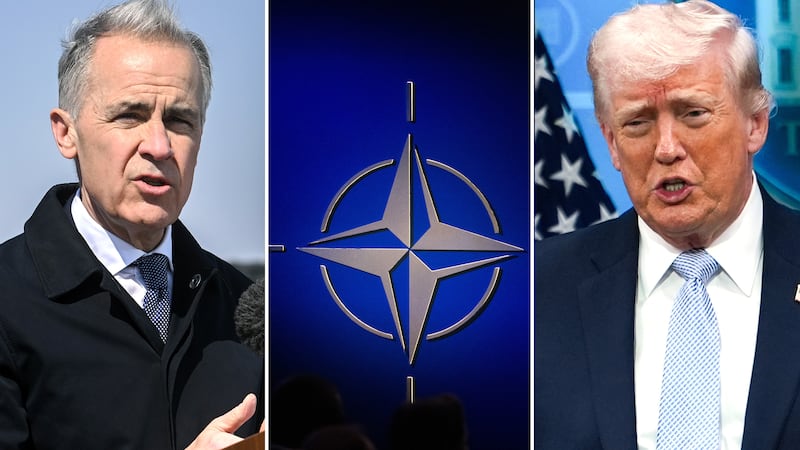
Carney and Trump talked NATO, Iran
The prime minister made these comments as part of a press conference on Parliament Hill Thursday morning, on the heels of a call with Trump on Wednesday.
“The president called me yesterday. We had a long discussion with him, and at times some of his senior officials, Secretary Hegseth and his commander in chief, on a range of issues,” Carney said, later confirming CUSMA was not one of the issues they discussed.
“Some related to NATO, some related to the situation in Iran and the broader Middle East, both, so both current and structural issues, very constructive conversations, things we’re working on together. I think those are best left till they come to come to fruition.”
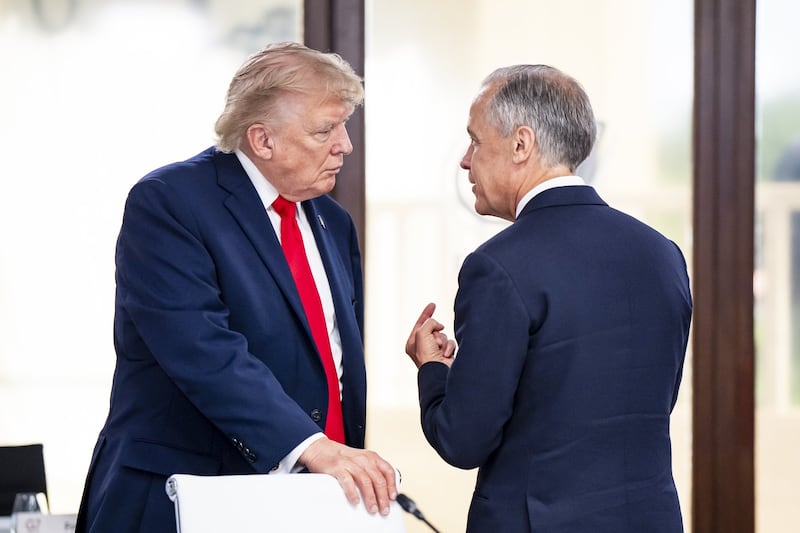
NATO is hosting a summit next month in Ankara, Türkiye, and when asked if he thinks the message is getting through to Trump that Canada is starting to spend more on defence, Carney said Canada “is pulling its weight now,” and noted “some major procurement decisions” are coming.
“First, we answer to Canadians and protecting Canadians. We answer to our allies in terms of fulfilling our roles and protecting our allies,” he said.
Poilievre told reporters that while he hoped it was a positive call, as the relationship between the two countries is integral, he thought it was “incredible” that Carney didn’t bring CUSMA up.
“What could be a greater priority to this country? It’s time to start fighting for Canada, and to start getting results,” he said.
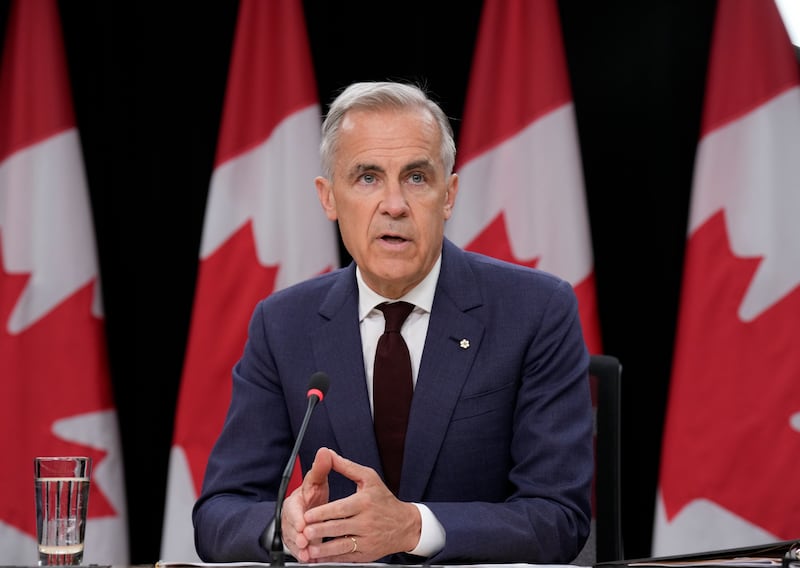
Carney touts ‘results’ in other areas
His office billed the event as an opportunity for the prime minister to “outline the results delivered by Canada’s new government.”
On that front, Carney also emphasized that 19 government bills received royal assent in the spring sitting, and two other key pieces were passed by the House of Commons that will be dealt with by the Senate this fall.
As for work beyond Parliament, he noted:
- 4,500 new affordable homes are either under construction or due to break ground within the next three months;
- 23 projects of national significance have been advanced since last summer;
- 20 new economic and security partnerships have been secured across five continents;
- international student arrivals are down 60 per cent, asylum claims are down by one third; and
- he met with premiers 12 times over the last year.
“We have the right plan and we’re on track, but there’s much more to do, and we have always recognised that some of the biggest payoffs from that plan will take time,” Carney said.
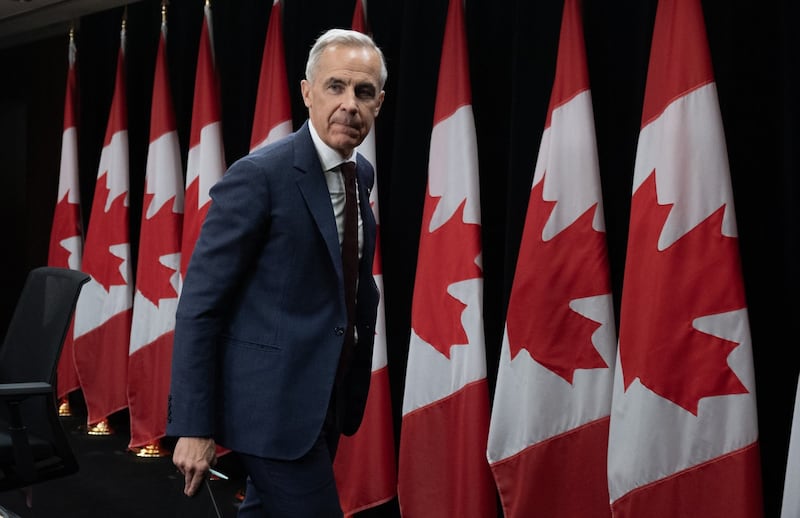
Pressure over condo plan, separation
The prime minister also sought to defend what his recently announced vacant condo plan is – and isn’t – amid critics suggesting it amounts to a bailout for developers.
“No developer asked for this from me directly, so that’s a simple answer,” he said, adding he doesn’t believe the government has done a good job of explaining what the intention is.
Carney then mentioned rent-to-own or other financing options could be in play to convert units that are sitting unsold into homes for families in need but don’t have the money upfront for a down payment.
“It’s great that there are developers, and they build condos. What we care about is affordable housing,” he said.
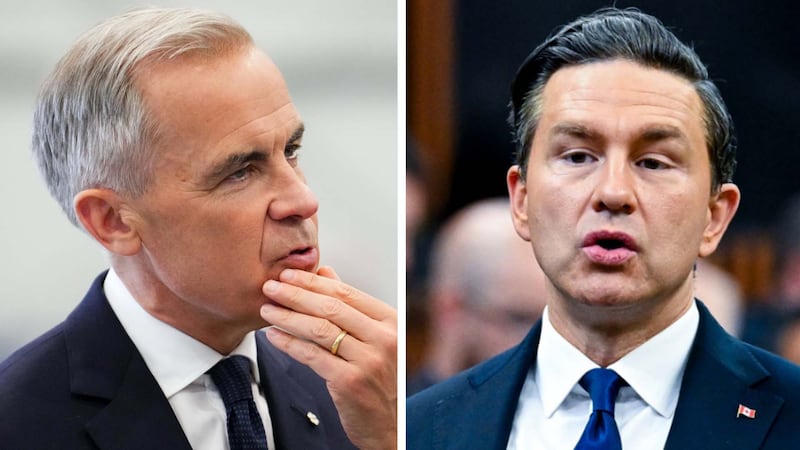
Poilievre was quick to push back on those comments.
“How does bidding up the cost of condos and competing with home buyers to buy them make it more affordable? It’s exactly the opposite,” he said. “He’s making home ownership even more difficult by forcing taxpayers to pay through their taxes to bid against themselves when they try to buy a home.”
And, with a fall referendum looming over whether Albertans should start down the path towards separation, both Carney and Poilievre said he plans to spend more time in Alberta over the summer.
The prime minister also told reporters that he hasn’t yet decided on when to call the slate of by-elections to fill outstanding and soon-to-be new vacancies in the House of Commons.

