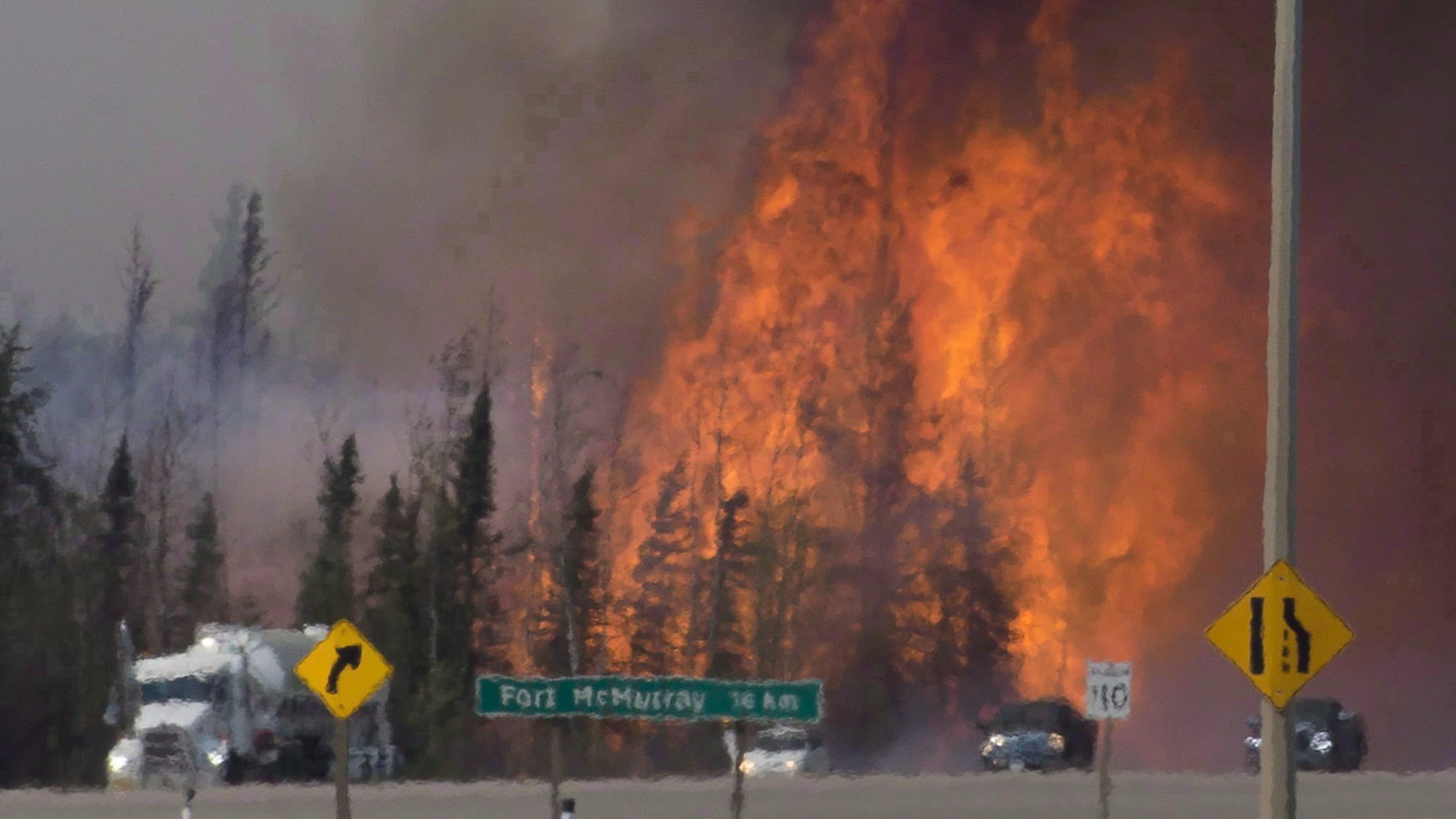
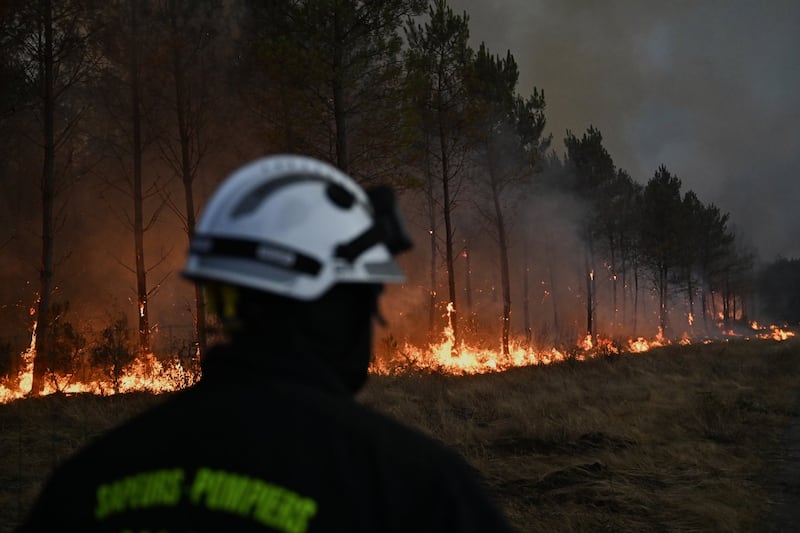
As wildfires continue to tear across parts of Europe, including through one of the continent’s largest human-made forests near Bordeaux, wildfire researchers say the fires carry important lessons for Canada.
Extreme heat driven by climate change remains the biggest factor behind today’s more destructive fire seasons. But in an interview with CTV Your Morning, director of the Centre for Wildfire Research at Swansea University in Wales, Stefan Doerr says the way forests are planted and managed can also influence how quickly wildfires spread.
While Canada’s forests are very different from the plantation forests , which are artificially planted areas of trees, found in parts of Europe, Doerr says the science behind fast-moving wildfires is similar, pointing to the 2016 Fort McMurray wildfire as an example.
What makes a human-made forest different?
Doerr said the forest burning near Bordeaux wasn’t always a continuous stand of pine trees.
Doerr said the area was once made up of a more diverse landscape that included forests, heathland and grassland before it was converted into large pine plantations. That diversity, he said, helped limit the spread of fire. “There was a mixed forest with some heathland as well as some grassland that would have not allowed this extreme propagation of the fire that we’ve seen now.”
He said replacing a diverse landscape with large areas of the same tree species can make it easier for fires to move through the forest once conditions become hot and dry.
The Canadian connection
Although Canada has relatively few large plantation forests compared with Europe, Doerr said the same wildfire behaviour can occur when fires burn through vast areas of similar, highly flammable trees.
“They’re quite similar from a scientific perspective,” he said of the fires near Bordeaux and the Fort McMurray wildfire.
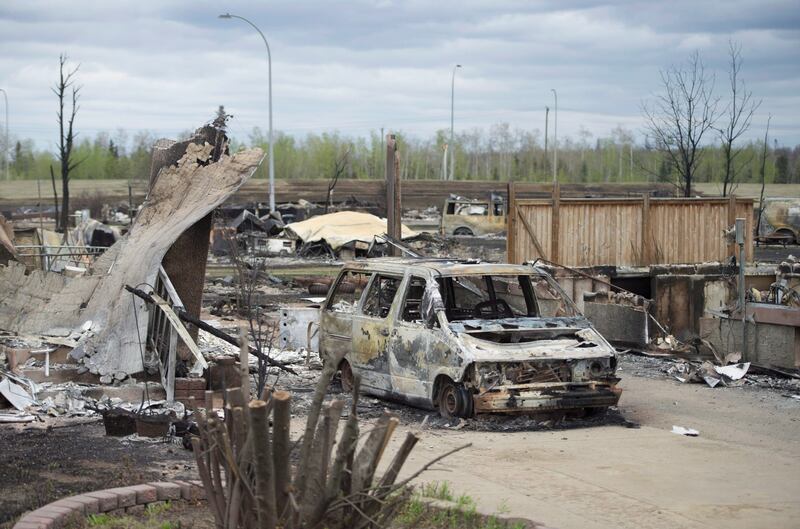
Both involved crown fires, which are fast-moving wildfires that spread rapidly through the upper canopy or treetops. They spread rapidly through the tops of trees. However, Doerr said the Fort McMurray fire released even more energy because Canada’s boreal forests contain thick layers of organic material on the forest floor.
“McMurray was in a sense worse in terms of the energy that was released during the fire and the speed of the fire front,” he said, adding that those organic layers “feed the fires, not just the tree crowns.”
Why these fires are so hard to stop
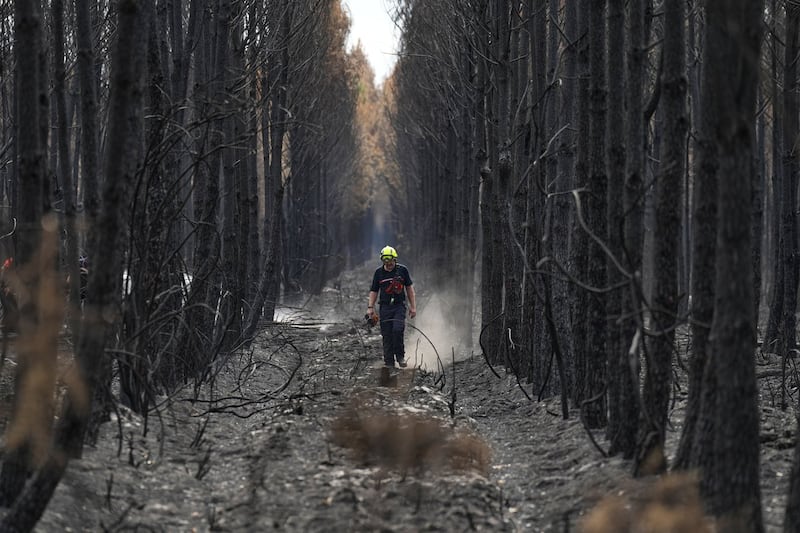
Doerr said firefighters rarely attack the flames directly once a wildfire reaches a certain size.
“What you’re trying to do is basically is to contain the fire by removing some of the vegetation that is in the path of the fire,” he said.
Roads, rivers and other natural breaks can slow a wildfire, but strong winds can carry embers over those barriers and ignite new fires.
He added that prolonged heat waves make suppression even more difficult because dry vegetation burns faster and more intensely.
What Canada can learn
Canada continues to invest in reforestation after major wildfires, but Doerr said planting more trees alone isn’t enough.
“The last thing we want is a monoculture of even-aged trees that can propagate the fire very easily,” he said.
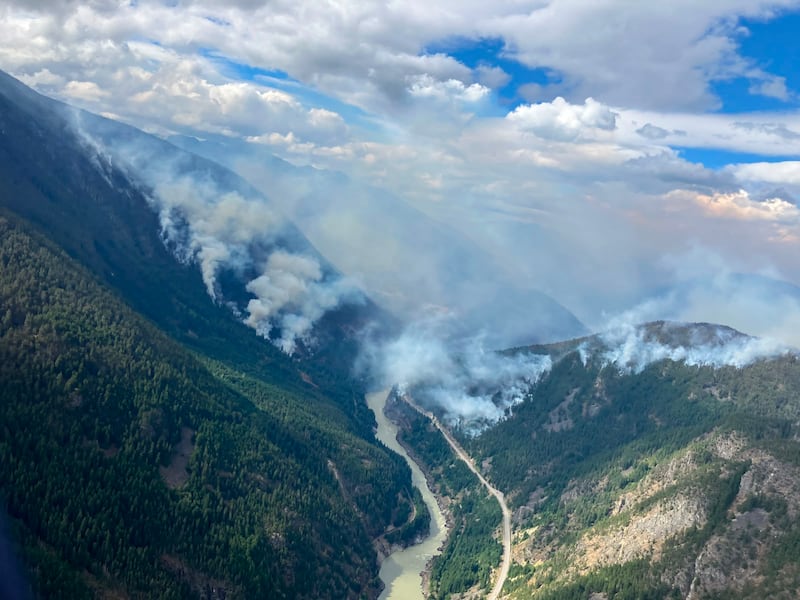
Instead, he said forests should include a mix of species and natural breaks to reduce the chances of fires spreading unchecked.
“What you want is a mixed forest with lots of breaks, areas of less flammable material in the landscape,” Doerr said.
He said forests will always remain vulnerable during extreme drought, but better planning and more diverse forests can make future wildfires less intense.

