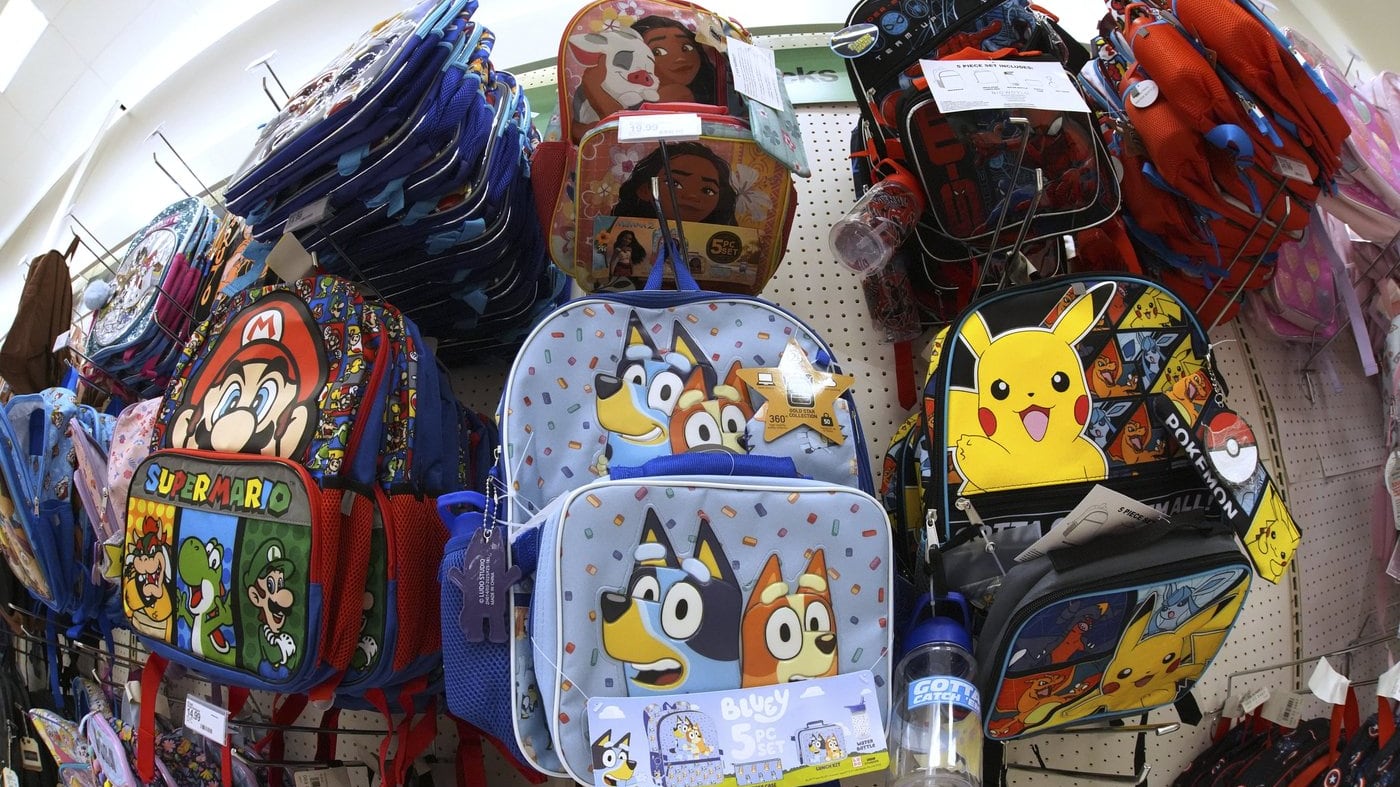
It is only early August, but Marie Robertson is already feeling the pressure to buy school supplies and find the best deals.
The mother said her four-year-old will start school in September for the first time and does not know what first-time supply purchases are required. To avoid overspending she says she will plan her purchases carefully.
“It is something that we planned for, and we have to fit into the budget,” said Robertson, who added that she plans to take a slow, steady approach to back to school shopping.
“I will start working on those lists and buy things in little chunks and not buy all things at once.”
That strategy by Robertson is consistent with shopping habits highlighted in new research by the Retail Council of Canada (RCC). Only a small amount of parents expect to finish shopping in a single trip.
“Only 19 per cent of people we talked to said they’ll finish it in one trip,” said Santo Ligotti from the Retail Council of Canada. “Most anticipate two or three shopping trips and that reflects the need to compare prices and visit different retailers.”
Inflation raises school supply costs
The back-to-school is one of the most significant annual shopping events in Canada, with the retail market generating $4.5 billion each year.
According to the RCC average household spending ranges from $600 to $750 per child when electronics are included.
Retail analyst Bruce Winder said inflation has impacted school supplies, with prices increasing for staple items like backpacks, pens, pencils and paper.
As the effects place added financial pressure on families, Winder is urging parents to adopt strategies to save money.
“Because these prices have climbed, parents should wait for sales, start early to get the sales and thrift more,” he said. “Try to make items last two, three maybe four years and not replace items as often.”
With so many choices, and stores to choose from, Winder said parents should make a budget and a list.
“Do an inventory of what you have now, and what you need and stick to that,” said Winder, who added the online market for school supplies is also growing and providing parents with choices and deals as the school year inches closer.
The RCC also released data that showed back-to-school shopping habits have dramatically shifted to online methods in recent years.
“There are lots of great deals online, through places like Amazon,” he said.
AI-enhanced shopping tools to compare prices, build lists, or identify places to shop are also becoming popular, with 44 per cent of parents using or are interested in using the tools.
“Some school supply shoppers are using AI agents now, to see if the AI agent can serve up where the best value is on that day in that market,” Winder said.
Overall Ligotti suggests one of the best ways to save money is to start shopping as early as possible.
His research with the RCC indicates that 61 per cent of parents are beginning to buy school supplies in late spring or early summer.
Those shopping and planning timelines vary on the age of the child. Parents with younger children usually begin planning and shopping earlier, while parents of high-school students are more likely to shop later without advance planning.
“Shopping stretches across the entire summer season and the younger families are starting earlier,” said Ligotti, who added in some cases, people are buying school supplies for the next school year, in the spring, as they search for the lowest prices and best deals.

