
A growing body of research suggests inflammatory bowel disease affects far more than the digestive system, with mental-health challenges often emerging years before patients are formally diagnosed.
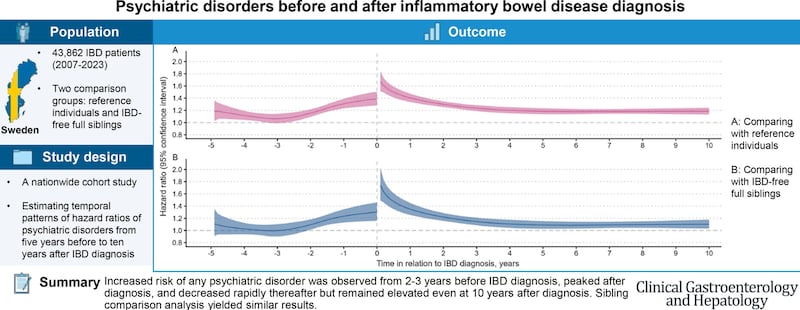
A new study out of Sweden found people with inflammatory bowel disease (IBD) faced a higher risk of psychiatric disorders beginning two to three years before diagnosis, with the risk remaining elevated for up to a decade afterward.
While the research followed patients in Sweden, experts say the findings closely mirror what has already been documented in Canada.
“We are not surprised,” said Dr. Roshane Francis, manager of research grants, impact communication and evaluation at Crohn’s and Colitis Canada.
In an interview with CTVNews.ca, Francis said “mental health always comes up as one of the most important and top priority aspects of care.”
Canadian research tells a similar story
According to Crohn’s and Colitis Canada, previous Canadian research has shown people living with IBD are twice as likely to experience mental-health disorders as the general population. Francis said Canadian studies have also found symptoms of anxiety and depression can appear years before an official diagnosis.
“Within the Canadian context, symptoms of mental-health challenges or disorders show up even five years prior to their diagnosis,” Francis said.
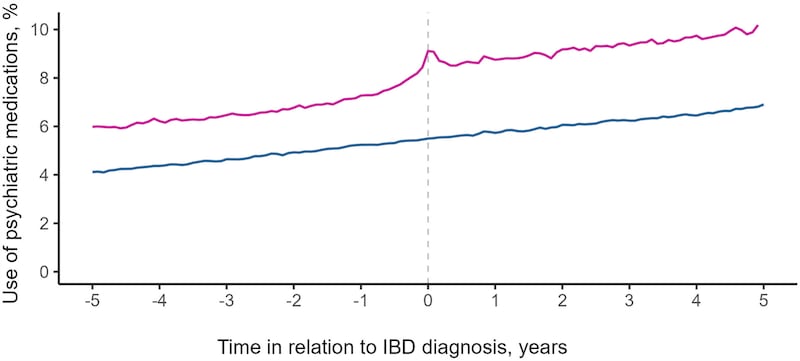
The latest study found the greatest increase in risk occurred shortly after diagnosis, with depression, anxiety disorders and substance misuse driving much of the increase. Researchers also reported higher use of antidepressants and anti-anxiety medications beginning before diagnosis.
Young Canadians face added challenges
Francis said the issue is especially concerning as IBD becomes more common among children, teenagers and young adults.
“If you look at that subset of the population, they face twice as (many) mental-health disorders than their peers,” she said. “You can imagine how difficult this must be for them.”
IBD, which includes Crohn’s disease and ulcerative colitis, causes chronic inflammation of the digestive tract. Symptoms such as abdominal pain, diarrhea and urgent trips to the washroom can be unpredictable and isolating, adding emotional strain while patients search for answers.
Researchers believe the connection may involve the gut-brain axis, a two-way communication system linking the digestive system and the brain. Francis said stress can worsen gastrointestinal symptoms, while worsening symptoms can, in turn, increase psychological distress.
Calls for earlier mental-health screening
Francis said the findings strengthen the case for integrating mental-health care into routine IBD treatment from the very beginning.
“What we need is during the early stages of diagnosis … they start to incorporate routine mental-health screening at the same time as they’re checking for your gut symptoms,” she said.
She said multi-disciplinary care involving gastroenterologists, specialized nurses and mental health professionals, along with approaches such as cognitive behavioural therapy and mindfulness-based practices, could help patients better manage both the physical and emotional burden of the disease.
As researchers continue to study the relationship between IBD and mental health, Francis said one message is already clear: treating the disease means caring for both the gut and the mind.

