The Canada Border Services Agency says it has removed 111 people from the country as part of a nationwide crackdown on foreign nationals suspected of links to extortion and organized crime.
The deportations stemmed from 188 removal orders issued over the past year, with the bulk of the deportations occurring in British Columbia and the Greater Toronto Area (GTA).
“The Canada Border Services Agency continues to take action against individuals with suspected links to extortion activities, working with law enforcement partners across Canada to identify, investigate, and remove those who are inadmissible under the Immigration and Refugee Protection Act,” the agency said in a news release Monday.
The initiative began in the Pacific and Prairie regions in August 2025 before expanding to the GTA three months later, the CBSA said.
Most removals in B.C., Toronto
Of the 188 removal orders issued to date, 91 were in the Pacific region, resulting in 58 removals. The Prairie region accounted for 47 removal orders and 30 removals, while 50 removal orders were issued in the GTA, where 23 people have been removed.
“The removal of more than 100 individuals linked to extortion activities reflects CBSA’s sustained efforts to identify, investigate and take action against those who pose a threat to our communities,” said Erin O’Gorman, president of the CBSA, in a statement Monday.
“These results also demonstrate the impact of strong collaboration with law enforcement partners across Canada and our shared commitment to combatting organized crime.”
Extortion-related crimes
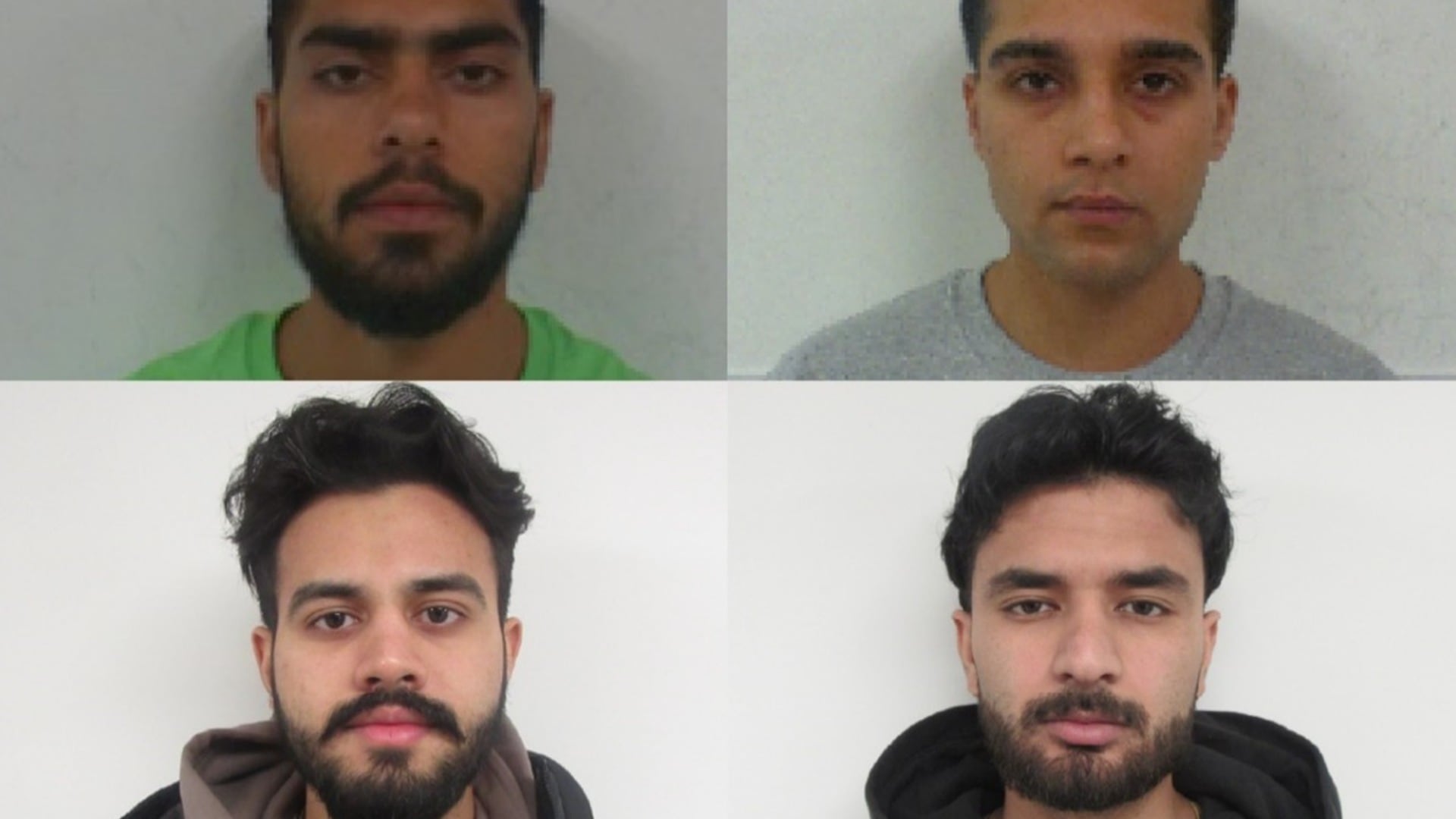
The agency highlighted four recent cases where men were deported due to suspected criminal links.
Palwinder Singh was removed from the country after he was connected to an extortion-related shooting in the fall of 2025, the CBSA said. The Immigration and Refugee Board of Canada found him inadmissible for “being a member of a criminal organization linked to extortion-related violence.”
Amitoz Bajwa was similarly deported after he was associated with firearms offences and an extortion-related shooting, while Jasmer Singh was deported after he was convicted in Canada of forcible confinement.
A fourth case highlighted by the CBSA involved Sahibjot Singh, a foreign national who was deported for his admitted connection to an organization that the agency says “engaged in a pattern of criminal activity.”
Last year, the CBSA says it removed 23,160 inadmissible people from the country, including 1,010 who were inadmissible for “serious criminality,” including suspected war crimes, human rights violations and national security concerns.
Public Safety Minister Gary Anandasangaree says the federal government remains committed to working with local law enforcement to disrupt extortion networks, which have primarily plagued South Asian communities in B.C. and Ontario.
“By identifying and removing inadmissible individuals involved in criminal activity, we are strengthening public safety,” Anandasangaree said in a statement.
The agency says it employs 530 officers dedicated to immigration enforcement and is in the process of hiring 1,000 new officers with the $30.4-million allocated to expanding the CBSA in the 2025 federal budget.

