HAMILTON, Ont. - A Canada-wide research study that began in 2014, has uncovered a new possible link between brain damage and ultra-processed foods.
“Chips, sweet breakfast cereals, highly processed sweet yogurts and some frozen food meals,” are just some of the items that fall under the ultra-processed food umbrella according to Russell De Souza, health research professor at McMaster University and registered dietitian.
More than 8,700 middle-aged Canadians took part in the study that began more than a decade ago. Participants included those who eat very little processed foods and those who eat them frequently. An MRI was conducted on each individual.
The findings, published Thursday in the Journal of the American Medical Association (JAMA), found that people who eat ultra-processed food for nearly half of their daily diet appear to be more than 40 per cent more likely to have a “vascular brain injury.”
“As part of the brain injuries, we found a combination of a silent stroke, when you don’t realize you’ve had a stroke and a pre-stroke profile in some participants whose daily diet is made up of more than 45 per cent processed food,” says Dr. Sonia Anand, the senior author of the study and professor of medicine at McMaster University.
It is also believed the brain injuries uncovered during the study could lead to dementia. Anand believes there is a direct link between ultra-processed foods and the brain injuries discovered in the study’s MRI results.
“We observed an independent effect of the ultra-processed foods and the brain damage seen in the MRI scans,” Anand says.
Some of the MRI brain imaging found in those who ate too much processed food is believed to be the early warning signals of a future stroke or memory loss due to dementia.
Participants in the study who ate the most ultra-processed food also carried more body fat and more deep belly fat than those who ate less.

Financial costs of eating healthy
In 2025, the Heart and Stroke Foundation released a study of their own that found that nearly half of all the food eaten each day by the average Canadian is ultra-processed.
De Souza, who co-authored the paper acknowledges that with food inflation, affording healthy, whole-food meals is out of reach for some individuals and families.
“Everyone is struggling just to make ends meet and really what we try and do is encourage people to eat at home as much as possible, buy local and take advantage of the sales you see at the supermarket,” De Souza says.
Anand believes the study, which includes 16 researchers and doctors, is part of a larger, important look at Canada’s overall health.
“It’s really important that we look at the population factors that drive the amount of disease in our population and food is a key driver,” says Anand.
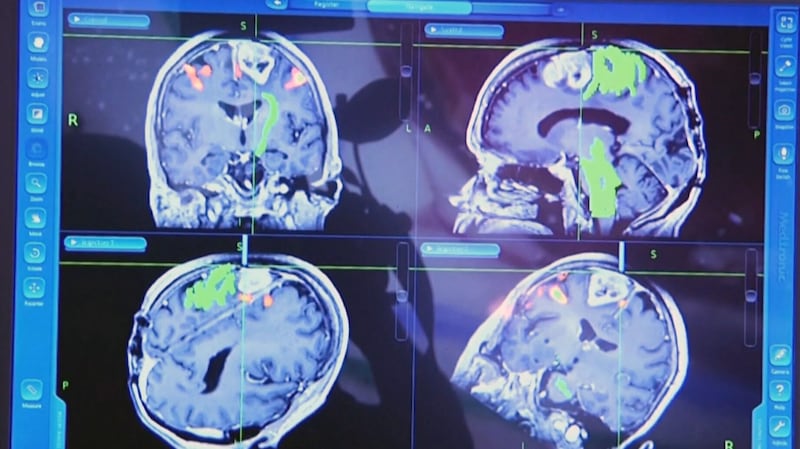
While the findings suggest a link between ultra-processed food consumption and signs of brain injury, work is still ongoing to determine whether there is a direct link between ultra-processed foods and the changes to the brain found in some of the MRI scans.
A continuation of the study is now taking place. Some of those who volunteered six or eight years ago are now returning for an additional MRI so that researchers can monitor their results over an extended period of time and compare them with their diets. Those findings are expected to be made public in early 2028.

