
CHARLOTTETOWN - One of P.E.I.’s most high-profile murder cases has been upended after prosecutors withdrew all charges this week, saying police lost the overwhelming majority of critical physical evidence.
The decision halted the planned trial of Todd Joseph Gallant, who was also known as Todd Joseph Irving, in the 1988 killing of teacher Byron Carr. Gallant had pleaded not guilty.
The Crown also pointed to gaps in how evidence was identified and tracked, raising concerns about the reliability of what remains.
“The loss of crucial evidence, together with the issues identified concerning the remaining evidence, means that there is no longer a reasonable likelihood of conviction and that the prosecution can no longer proceed,” the Crown Attorneys’ Office wrote in a statement shared with CTV News.
The office called it a “deeply disappointing outcome.”
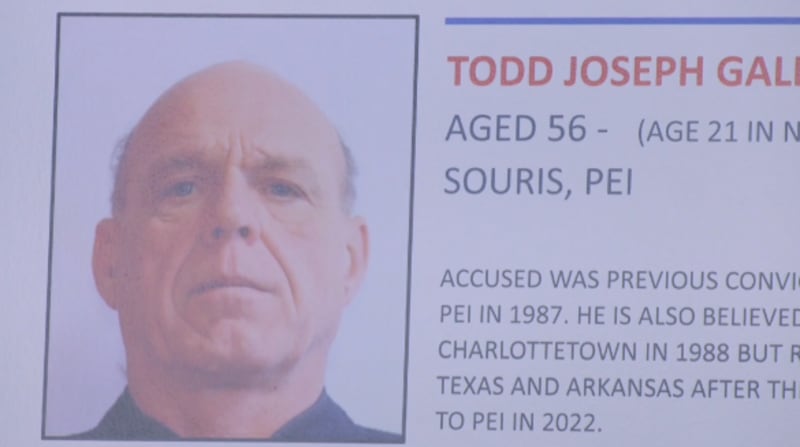
Carr was found dead in the bedroom of his Charlottetown home, stabbed and strangled with a towel, after what police have described as a consensual sexual encounter with another man. On the wall, there was a scribbled threat: “I will kill again.”
The case went cold before advances in genetic genealogy brought a big break in 2024. Police arrested Gallant, saying his DNA was found on a pair of underwear left at the crime scene.
The towel believed to have been used to strangle Carr, and a knife are among the items police can’t account for.
“What we endeavoured to do was talk to the people who were responsible in 1988, and they didn’t have answers for us,” said Darren MacDougall, Charlottetown’s interim chief of police, on Wednesday.
He added that some of those involved are no longer employed by the service, while others had died.
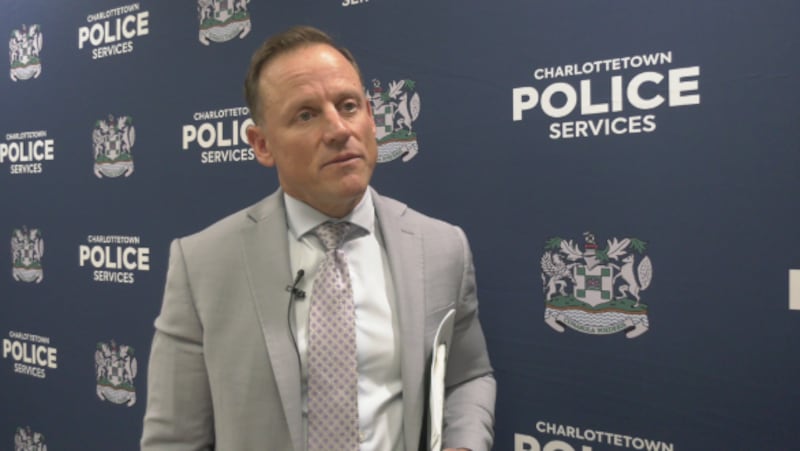
Several physical items collected at the time were sent to a forensic lab for analysis, MacDougall said. New investigators took over the file in 2007 and couldn’t find some of them, despite lab reports indicating they had been processed and returned to Charlottetown police in 1989.
However, biological material extracted from the items had been preserved at the lab, allowing investigators to produce a DNA profile. They forged ahead, MacDougall said, relying on that evidence while hoping the original items would turn up.
“We take this very seriously. We really do,” MacDougall said. “We are looking inward to see what has gone wrong.”
The service had no electronic database tracking evidence in the 80s and investigators couldn’t find a paper trail or notes explaining what happened to the items after their return. It has since introduced new policies and updated its evidence-management systems over the years, MacDougall said, describing today’s standards as consistent with those of police departments across the country.
Charlottetown police are considering a third-party review to get recommendations that could benefit the institution moving forward.