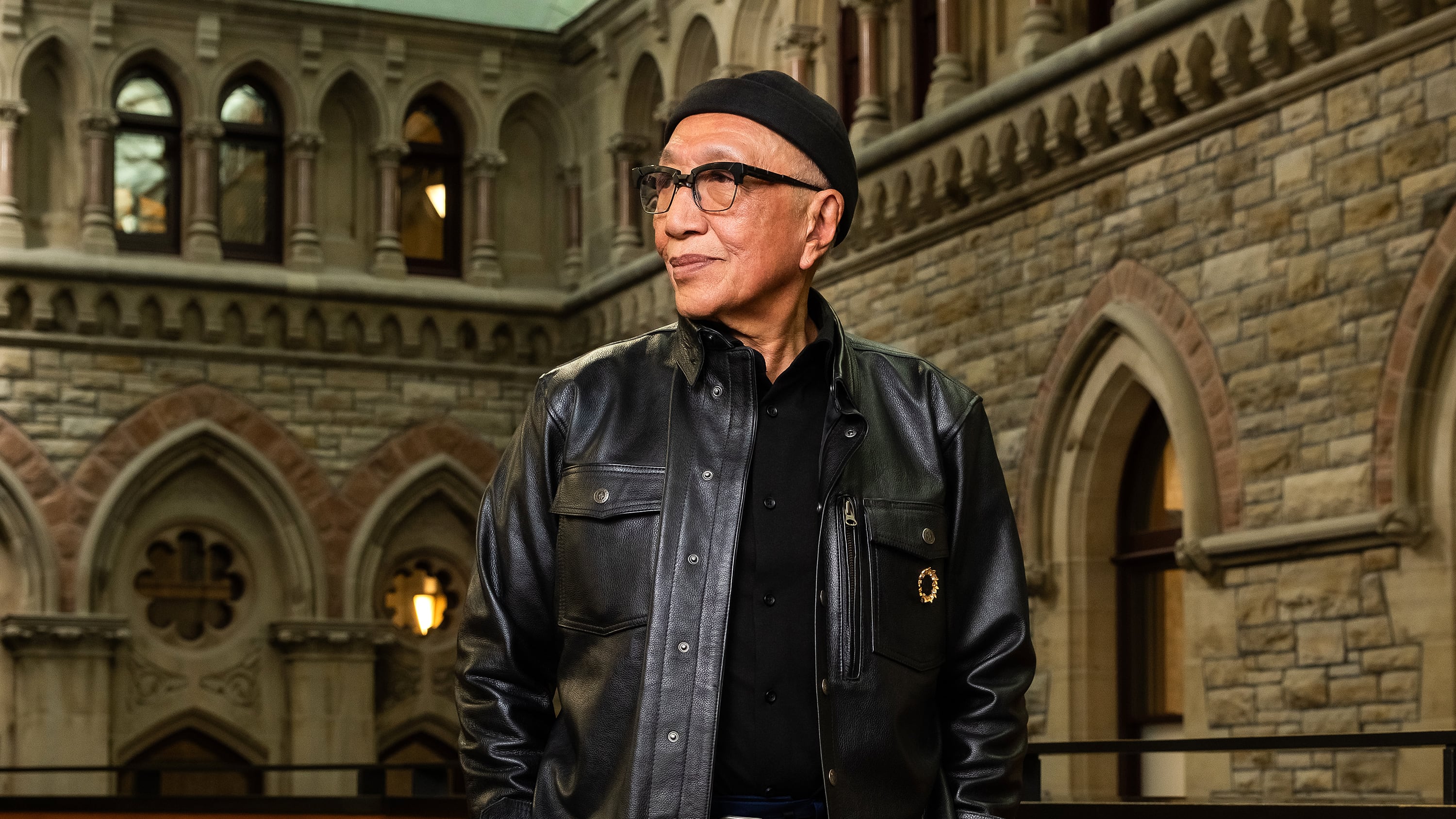
OTTAWA – For the first time in Canadian history, there’s an artist appointed by Parliament to promote the arts in this country, and the man chosen says he feels as if he’s been handed a blank roll of film.
“The fact that this is the first time for this role, it’s a great opportunity to explore what this can or cannot be,” said Paul Wong, the first ever Parliamentary Visual Artist Laureate, in an interview with CTV News.
“As artists, we use our imaginations to think outside the box, out of practical kinds of things, to tell stories and to engage audiences in all kinds of ways. So, it really is about letting our imaginations go and inviting other people’s imaginations to embrace the visions of art and artists.”
After years of advocacy from the Canadian arts community, and a lengthy legislative push to create the position, Wong – considered a pioneer of Canadian visual, multimedia, and large-scale public art installations – says he’s very grateful and feeling lucky to get to chart new territory.
“To have this kind of parliamentary position being made available to celebrate and empower arts and culture in this country, I think is really progressive,” he said.
“This gives me an opportunity to be amongst parliamentarians, the lawmakers, the people who create opportunities, and perhaps be able to inspire and influence and create dialogue that’s going to generate more interest and more support for Canadian art and artists.”
Wong lives in Vancouver, B.C., and his art spans many disciplines: film, video, sound, photography, installation, sculpture, printmaking, neon art, performance and writing. As an active curator, critic and community activist, he told CTV News he’s feeling very excited to get to work.
“We have tremendous filmmakers… we have we have incredible sculptors, craftspeople, storytellers. What we’ve been doing in this country is really different than what other people are doing in other places, and it needs it needs to be recognized and celebrated.”
What is an artist laureate?
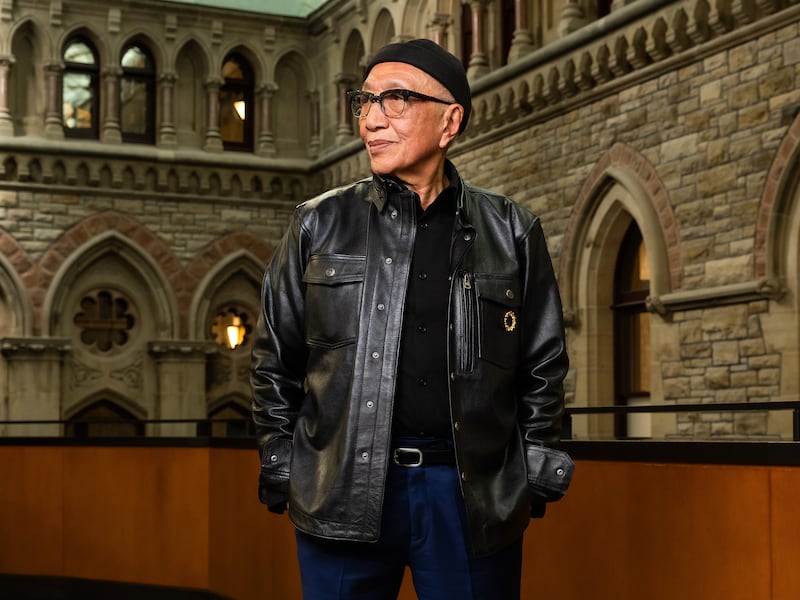
Wong’s mandate is to “promote the arts in Canada, through Parliament, including by fostering knowledge, enjoyment, awareness and development of the arts.” The “arts” in this context include drawings, paintings, sculptures, printmaking, design, crafts, photography, videography, filmmaking and other digital creations.
To carry this responsibility out over his two-year term, Wong may be asked to produce artistic creations at the request of either the House of Commons or Senate speakers, including for use in Parliament during major occasions, but the position extends far beyond that.
As essentially an artist-in-residence – albeit one who is able to work remotely – Wong can also develop programming to promote visual arts in Canada, sponsor artistic events such as exhibitions and provide advice to the parliamentary librarian about the Library of Parliament’s collection and acquisitions to enhance the institution’s cultural holdings.
Because Wong primarily works in English, the next appointee will be someone who primarily works in French. This linguistic compromise was made when the position was created, “to ensure that Canada’s official languages are equitably represented.”
Wong said at this point he’s still “just nosing around what’s available on the Hill and what kind of resources there are,” that he can leverage in the execution of his mandate and potential new art projects.
“Art continues to be – and the creative process continues to be – somewhat undervalued compared to other trades and other kinds of career paths, and I think that hopefully this position will also shift and put some attention, value, and more respect for what art and artists in this country do,” he said.
‘A dynamic and multidisciplinary creative voice’
The speakers of the House of Commons and Senate announced Wong’s appointment last week, selecting him from a shortlist of three candidates, following an open nomination process.
The shortlist was prepared by a selection committee that included the director of the National Gallery of Canada, the commissioner of official languages of Canada, the chair of the Canada Council for the Arts, the president of the Royal Canadian Academy of Arts, and the parliamentary librarian as chair.
“Paul Wong has built an extraordinary career across many facets of the visual arts, from creating and exhibiting his own work to curating, writing and producing,” said House Speaker Francis Scarpaleggia.
“His longstanding commitment to building community, supporting artists and creating opportunities for connection will bring a dynamic and multidisciplinary creative voice to the role.”
Over his decades-long career, Wong – considered one of Canada’s leading video and multimedia artists – has received an honorary doctorate of letters from the Emily Carr University of Art + Design, the Audain Prize for Lifetime Achievement in the Visual Arts, and the Governor General’s Award in Visual and Media Arts.
“I’ve always been an artist,” Wong said. “I’ve worked with hundreds, if not thousands of artists across this country.”
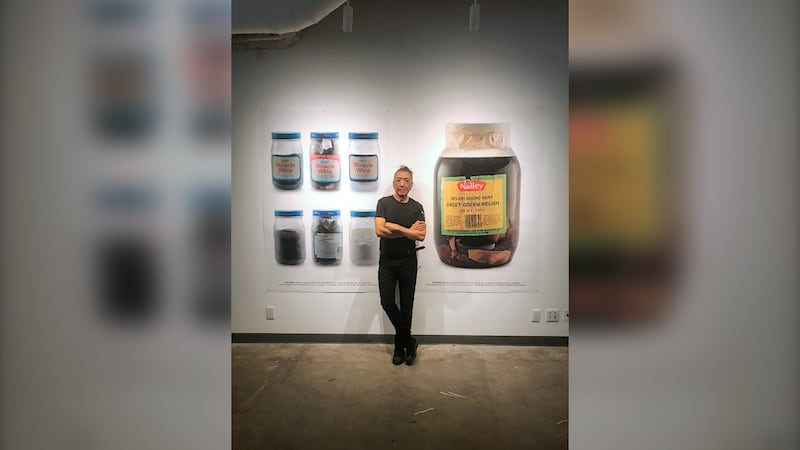
Self-taught, he’s still creating. In addition to taking on this new role, Wong has several other projects on the go, including an upcoming public art installation at the new St. Paul’s Hospital campus in Vancouver.
“It’s called ‘Mother’s Cupboard Mural,’ and it it’s a collection of 43 of my mother’s recycled jars of Chinese herbs, medicines, and elixirs,” he said.
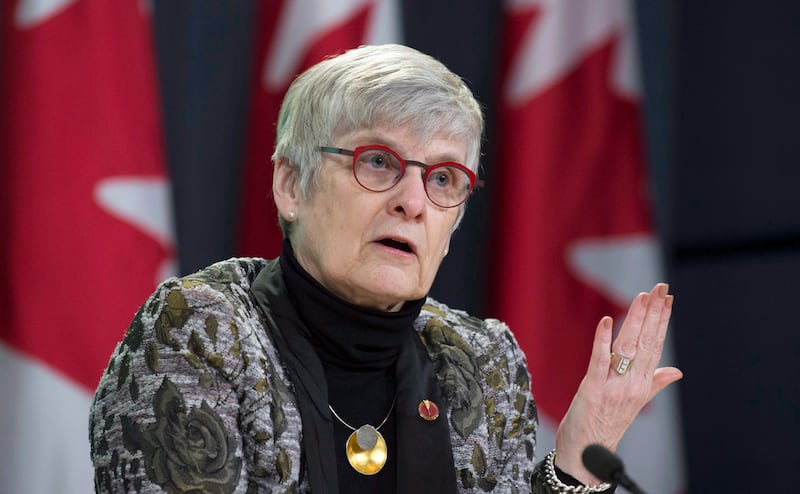
“Having Paul Wong be the inaugural Parliamentary Visual Artist Laureate is wonderful. He’s such a well-known artist. His work deals with so many of the issues that the Senate and various committees are working on, on an ongoing basis,” said former senator Patricia Bovey, who tabled the bill that led to the creation of the artist laureate position, after a winding parliamentary saga.
Wong’s work is known for pushing boundaries, tackling issues including immigrant identity, media manipulation, death, memory, and homophobia. His pieces also celebrate Chinese culture, queer and activist communities, and Vancouver’s diversity.
“The arts can convey and do convey ideas and concerns and solutions to concerns, in many instances, long before the rest of society is aware that there may be a problem,” Bovey said.
Role the result of years of artist advocacy
The role was established in 2024, through an amendment to the Parliament of Canada Act.
That amendment was made in Bill S-202, a piece of Senate legislation that came as the result of years of advocacy from the arts community as well as several attempts to pass the proposal through Parliament.
The artist who first proposed the idea of a Canadian parliamentary visual artist laureate – inspired by the parliamentary poet laureate position that’s existed since 2001 – was Peter Gough.
A decade ago, then-senator Wilfred Moore brought forward the first version of a Senate public bill proposing a parliamentary artist laureate. That bill passed the upper chamber with wide support in 2018 but died after failing to secure a House sponsor.
What came next was a series of procedural struggles, but that didn’t deter Gough. He kept pushing, even while undergoing rounds of chemotherapy for an aggressive form of cancer.
“I’m just going to keep fighting for it,” he told CTV News in early 2019. “I can’t drop it, it’s too important to the arts in this country.”
Gough passed away in late 2020. A year later, a fourth version of the bill – the version that ultimately became law – was introduced in the upper chamber, by then-senator Bovey.
“Peter worked very, very hard on this,” she said. “I think it’s very sad that its passage was after he passed away. But every time I think about it, I think about Peter… A great tribute goes his way.”
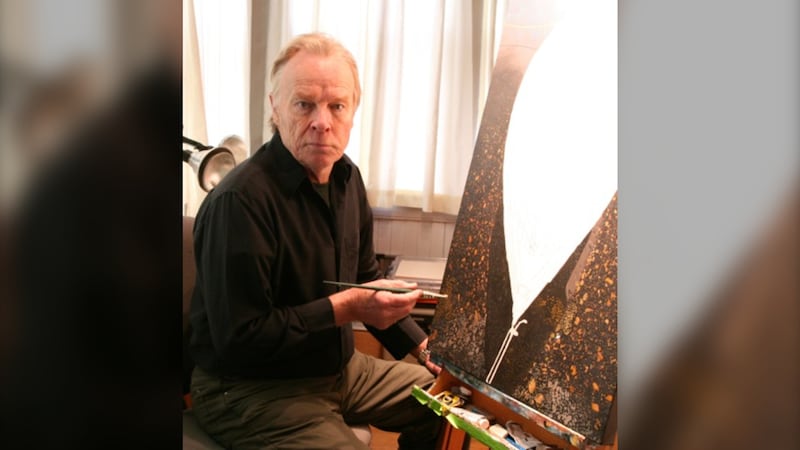
Closely connected to the Canadian art scene throughout her life as a gallery director, curator, and art historian, Bovey saw it pass the Senate before her retirement in 2023, but it took another year before MPs followed suit.
“Artists are very excited by it. I had a number of calls from people who wanted to apply for it this time around, and there were some very, very good applicants. I also had calls from people who would like to apply, but this wasn’t the best time for them,” she said.
“So, I’m confident that when Paul’s two years are up, that there will be a number of very, very good applicants.”

