


CTV News is your Alberta Referendum headquarters. Live results. Expert analysis. Everything you need to know is here.
In his quiet seventh-floor office at the University of Calgary, political science professor Barry Cooper contemplates the history of Alberta separation.
“I think it’s been part of the political culture of Alberta from well, in fact, from before Alberta became a kind of province in 1905,” said Cooper.
“So, it’s really part of the popular culture of the province today.”
- Sign up for breaking news alerts from CTV News, right at your fingertips
- The information you need to know, sent directly to you: Download the CTV News App
But the movement’s modern incarnation can be traced to the National Energy Program (NEP), introduced by Pierre Elliott Trudeau’s Liberal government on Oct. 28, 1980.
“It was clearly a way of milking the most wealthy and productive province for the benefit of others,” said Cooper.
“I still have students whose parents remember how they were deprived of a lot of their wealth and property by Pierre Trudeau with the NEP.”
What was the NEP?
The program was intended to increase Canadian ownership of the energy industry, secure domestic oil supplies and keep prices lower for Canadian consumers.
But in Alberta, where the oil and gas industry is a major driver of the economy, the policy fuelled resentment toward Ottawa and became a rallying point for western separatists.
University of Calgary professor emeritus Ted Morton says the conflict exposed a fundamental imbalance between Western Canada’s economic resources and its political influence.
“If you move resources and money from the voter poor but energy rich West to the voter rich but energy poor central Canada, chances of winning are even better,” Morton said.
He argues the imbalance has left Alberta repeatedly vulnerable to federal policies that work against its interests.
“It makes us structurally vulnerable to these types of predatory policies,” he said.
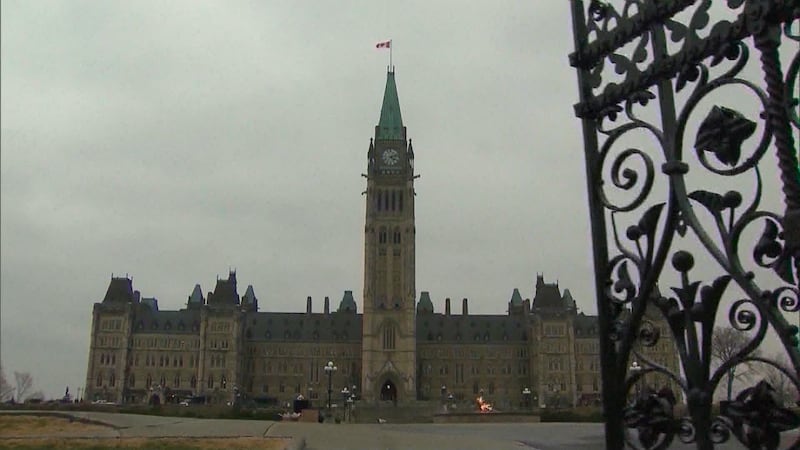
In February 1982, that resentment translated into an electoral breakthrough.
Gordon Kesler won a byelection in the central Alberta riding of Olds-Didsbury under the Western Canada Concept banner, becoming the first — and so far only — MLA elected in Alberta under an openly separatist party banner.
His victory was short-lived.
Kesler lost his seat in the provincial election later that year, but the frustrations that helped propel him to the legislature endured.
Senate reform
Five years later, Preston Manning’s Reform Party offered Western Canadians a different approach.
Rather than separating from Canada, the party sought greater influence within Confederation, championing Senate reform and more provincial autonomy under the slogan “The West Wants In.”
The party eventually helped reshape federal conservative politics, but many of the grievances that inspired its creation remained unresolved.
Morton, who was elected as one of Alberta’s senators-in-waiting in 1998, says Senate reform was intended to give Western provinces greater influence in Ottawa.
“So, in theory, it’s a good idea. It means more Alberta, more provincial influence in Ottawa,” Morton said.
But he believes meaningful Senate reform is no longer politically realistic, while the imbalance of power in the House of Commons continues to leave the West at a disadvantage.
“The West is almost irrelevant in terms of majority governments,” he said.
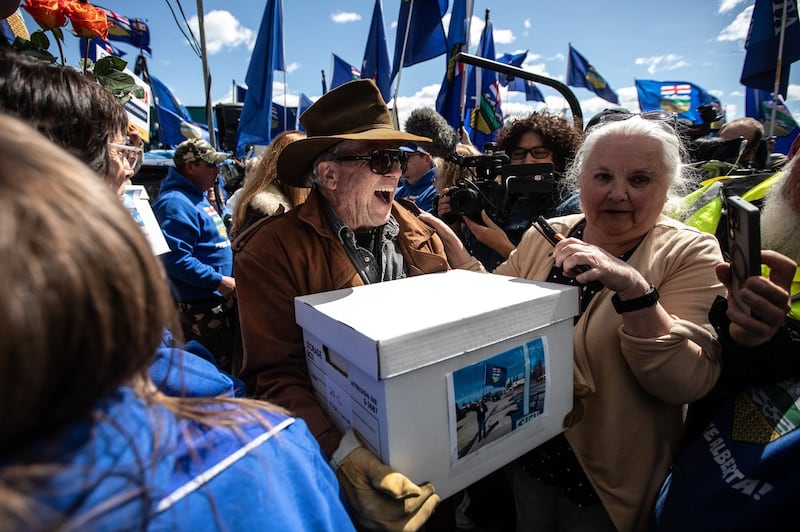
Cooper, a longtime supporter of Alberta separation, offers a more straightforward explanation for why the West’s demands for greater political influence went largely unmet.
“Because Laurentian Canadians didn’t want us in,” Cooper said.
He argues Ontario and Quebec benefit from the existing political structure and have little incentive to change it.
“They’re the chief beneficiaries of the exploitation of the wealth of Saskatchewan and Alberta. And if they’re not going to do a thing, that means that we have to.”
The government imbalance
In 2001, future prime minister Stephen Harper and five other prominent conservatives wrote an open letter to Alberta premier Ralph Klein urging the province to build a political “firewall” against Ottawa.
The proposals included creating an Alberta pension plan, establishing a provincial police force and collecting provincial income taxes independently.
The objective was greater provincial autonomy within Canada, not separation.
Morton was also a signatory.
Morton believes the frustrations behind Alberta’s recurring separatist movements stem from fundamental imbalances in Canada’s political system.
“We have a 19th century constitution and a 21st century economy,” Morton said.
He argues that Ontario and Quebec have enough seats in the House of Commons to elect a majority government without support from Western Canada.
“You need 172 for a majority government, and they can get that majority government just out of Quebec and Ontario.”
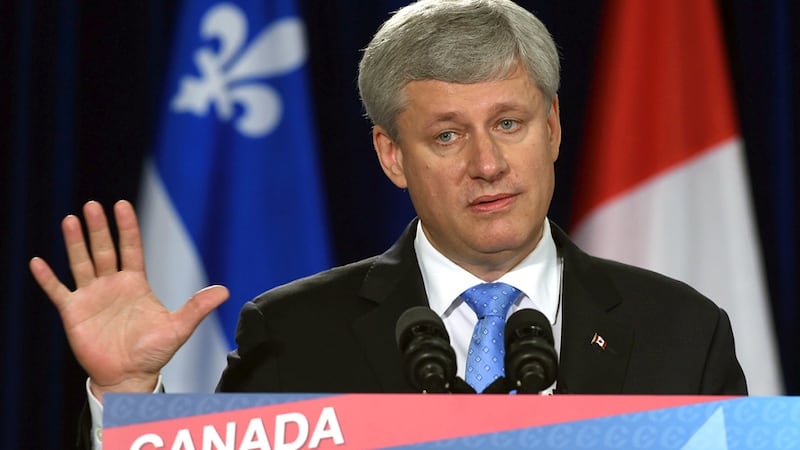
Morton says that imbalance leaves Alberta vulnerable to federal policies that can have significant consequences for the provincial economy.
In his view, the solution requires more than simply changing the government in Ottawa.
“I think a more decentralized approach to Canadian federalism would better address both of those concerns,” he said.
Even former premier Ralph Klein, who opposed separation, acknowledged the frustrations that were fuelling the movement.
In a 2001 interview, the premier warned separatists should be taken seriously.
“Yep, yeah, and it’s scary but I can understand the frustration,” Klein said.
“Kyoto, health care, gun registration, Canadian wheat board, Senate reform, you know the list goes on.”
Trudeau undoes Harper’s gains
The election of Stephen Harper’s Conservative government in 2006 appeared to offer Alberta a greater voice in Ottawa, and separatist sentiment became less prominent.
But Morton says many of the changes made under Harper proved short-lived.
“Harper had almost a decade. During that decade, things got much better,” Morton said.
But he says those gains were quickly undone when the Liberals returned to power.
“We saw what Justin Trudeau did to the Harper legacy – it was all destroyed within 18 months.”
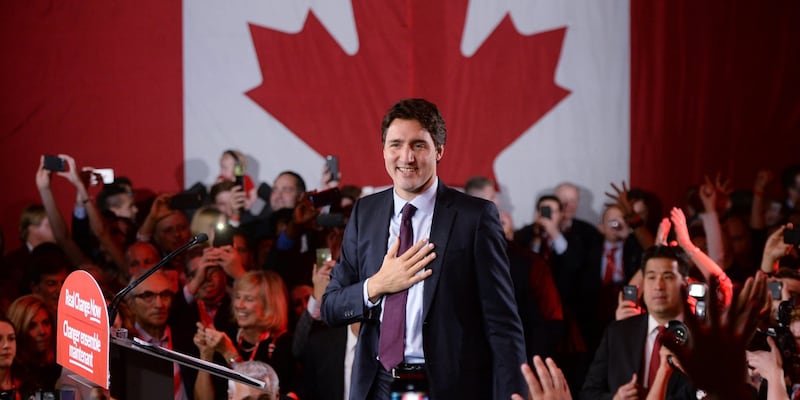
The election of Justin Trudeau’s Liberals in 2015 marked another turning point in Alberta’s relationship with the rest of Canada.
The Liberals were re-elected in 2019 without winning a single seat in Alberta and won another mandate in 2021.
“I think Justin Trudeau, the Trudeau decade, the last 10 years had a lot to do with it,” Morton said.
“There was a huge exodus of capital investment and companies from Alberta from 2015 to 2025 because of that, and those aren’t just numbers. Those are companies that close or go bankrupt.”
He acknowledges that global oil prices also affected investment, but argues federal policies made Alberta less competitive.
The COVID-19 pandemic and disputes over public health restrictions added another source of tension between Alberta and Ottawa.
In October 2022, Danielle Smith succeeded Jason Kenney as Alberta’s premier, promising to push back against what she characterized as federal overreach.
Her government subsequently pursued greater provincial autonomy, including legislation aimed at asserting Alberta’s authority in areas of provincial jurisdiction.
Then came the April 2025 federal election.
Despite expectations among many conservatives that Pierre Poilievre would defeat the Liberals, Canadians elected another Liberal government — this time led by Mark Carney.
Morton believes the result was another catalyst for separatist sentiment.
“I think that was short term another catalyst for the current anger and disillusionment that you’re asking about,” Morton said.
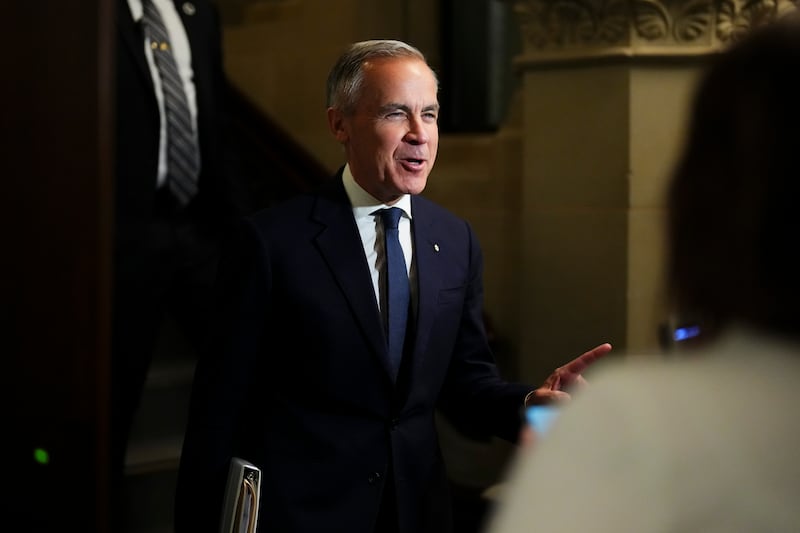
Shortly after the election, Smith’s government changed Alberta’s citizen initiative rules, lowering the number of signatures required to trigger a referendum.
The changes opened the door to competing campaigns over Alberta’s future in Canada.
A pro-Canada petition organized by former Alberta cabinet minister Thomas Lukaszuk gathered more than 400,000 verified signatures.
A separate petition seeking a direct vote on Alberta independence also collected enough verified signatures to meet the required threshold.
But the separatist petition faced a legal challenge from First Nations concerned about its implications for treaty rights and the Crown’s duty to consult.
In May 2026, a Court of King’s Bench judge quashed the decision approving the petition.
An appeal judge subsequently allowed Elections Alberta to verify the signatures, while preventing the petition from proceeding further pending the outcome of the appeal.
Smith responded by putting forward a referendum question of her own.
Not matter of if, but when: expert
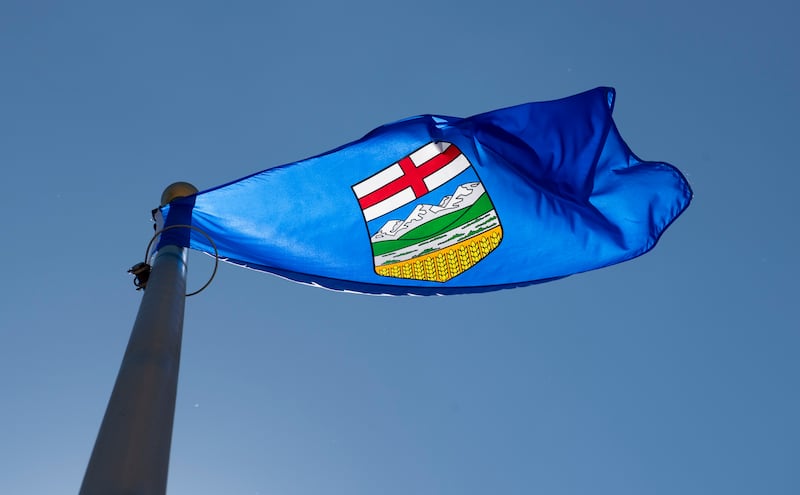
On Oct. 19, Albertans will be asked whether the province should remain part of Canada or whether the government should begin the legal process required to hold a future binding referendum on separation.
The October vote itself is non-binding and cannot result in Alberta immediately leaving Canada.
Smith has repeatedly said she supports Alberta remaining within Canada while seeking greater provincial autonomy.
Morton also opposes separation, arguing the economic and financial risks of leaving would be substantial.
“I’m against separation. If this were a referendum on separation, I would urge people to vote no,” he said.
“But it’s not a referendum on separation. It’s a referendum on a referendum.”
Morton hopes the vote will create an opportunity for Alberta and Ottawa to negotiate reforms that address the province’s longstanding concerns without breaking up the country.
He says neither maintaining the status quo nor pursuing independence offers a risk-free future.
Cooper takes a different view.
He believes the divisions between Alberta and central Canada are structural and that federal governments have repeatedly demonstrated an unwillingness to address them.
“It’s not about alienation; it’s about injustice,” he said.
While Cooper doesn’t believe the current referendum will lead directly to Alberta’s separation, he predicts the movement will continue growing and that independence is ultimately inevitable.
Asked whether he believes Alberta has a future in Canada, his answer was unequivocal.
“No. No, it’s just a question of time. It’s not if – it’s when and I’d have no idea when.”

