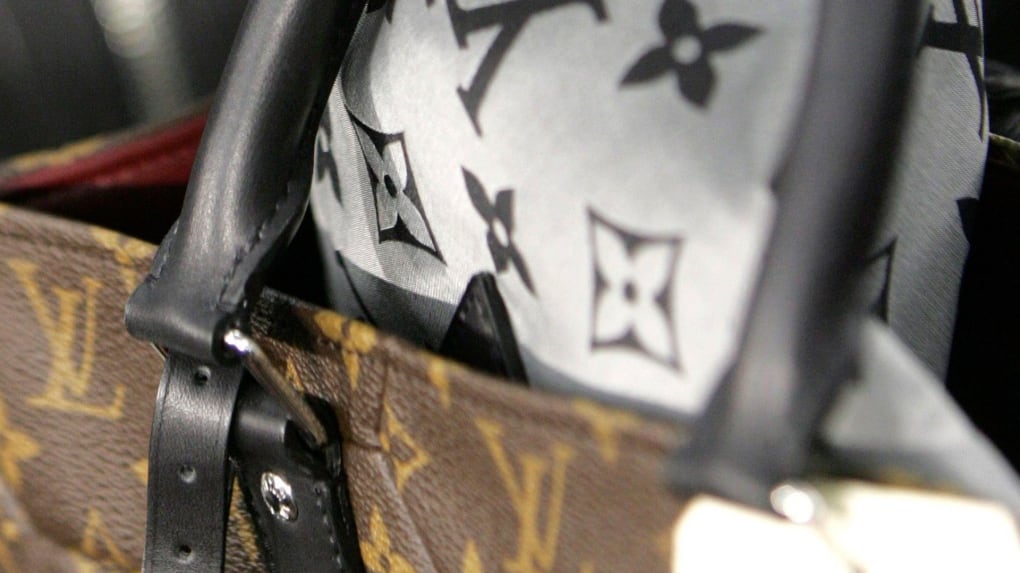
A woman who was permanently banned from selling counterfeit Louis Vuitton goods has been found in contempt of court after selling a private investigator a fake designer scarf and wallet, according to a federal court decision.
In 2019, Louis Vuitton won a permanent injunction against Audrey Wang, also known as Ni Ni Yang and as Ni Yang, in a judgment on a trademark infringement case.
In that case, Wang and her co-defendants were also ordered to pay the luxury fashion brand nearly $750,000 in damages after being caught selling the counterfeit goods at a mall in Richmond, B.C., as well as at that city’s popular night market, a flea market in another city, and online.
The contempt case was brought by Louis Vuitton, alleging Wang “sold and offered for sale counterfeit goods bearing trademarks owned by Louis Vuitton” in violation of the court order that prohibited Wang and her co-dependants from “infringing the plaintiffs’ trademarks, using any confusing trademarks, depreciating the value of the trademarks, and engaging in passing off.”
Judge Nicholas McHaffie handed down his decision earlier this month, finding Wang in contempt based, in large part, on the testimony and video evidence of Rojen Nouri, a licensed private investigator.
Private investigator’s purchases
On Dec. 6, 2025, Nouri went to Parker Place Mall in Richmond, which was one of the locations listed in the 2019 judgment.
“She saw Ms. Wang, who she recognized from her earlier involvement in the case, and who introduced herself as Audrey. In the store, Ms. Nouri saw bags, handbags, jewelry, scarves, and shoes bearing Louis Vuitton trademarks being offered for sale,” the judge’s contempt decision said.
“She suspected that the goods were counterfeit owing to their price point and the quality of the goods, matters that she was able to assess based on training Louis Vuitton provided on recognizing genuine goods. Ms. Nouri spoke with Ms. Wang about the goods, and ultimately purchased a wallet for $112.”
The court heard that a genuine Louis Vuitton wallet like the one purchased from Wang would retail for upwards of $1,000 in Canada and “would not be sold anywhere in the world” for the price the investigator paid.
Nouri returned to the mall on Jan. 28, 2026, and made another purchase, according to the decision. This time, Nouri saw a number of Louis Vuitton scarves for sale.
“Based on the prices she was quoted for the scarves and materials used, the scarves did not appear genuine,” the decision said, adding the private investigator paid $212 for a dark-blue scarf that the court heard would normally retail for roughly $700.
Wang argued that price-point alone was not enough to establish the items were counterfeit, suggesting the low price could have been because the items were second-hand. The company, Wang told the court, is not able to control the resale market and set prices for second-hand items.
While the judge and Louis Vuitton conceded that was true, the argument had a fatal flaw.
“To be legitimate second-hand goods, the goods would still have to be genuine. The evidence was clear that the goods in question were not genuine,” McHaffie’s decision said.
Only Louis Vuitton knows
That evidence, according to the decision, came from a woman named Checa Chong who testified in her capacity as the senior intellectual property counsel for Louis Vuitton in North America, according to the decision. In her role, Chong had been trained to identify counterfeit goods.
“She described that training as being continuous and ongoing, and including seminars, review of genuine goods and common traits of counterfeit goods, and attendance at Louis Vuitton manufacturing sites,” the judge’s decision said.
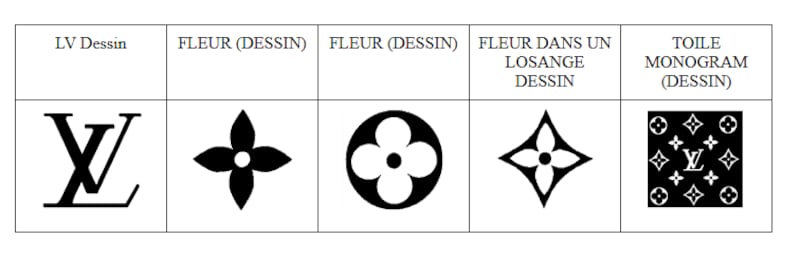
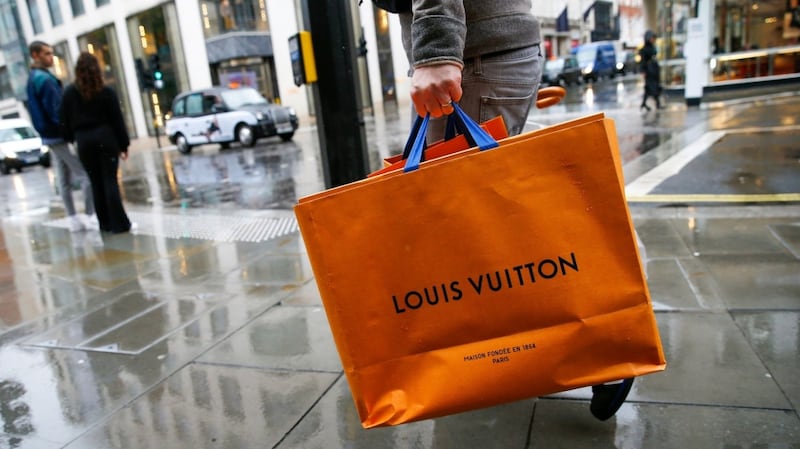
Chong told the court that the differences between the wallet and scarf sold by Wang and genuine Louis Vuitton items were identifiable based on things like stitching, logo placement, and colour. A number of issues with the trademark-emblazoned packaging and receipts were also noted, including the placement of the handle on the trademarked orange paper shopping bag.
“I accept Ms. Checa Chong’s testimony that no third-party individuals would be more qualified than she is to determine whether Louis Vuitton goods are genuine or counterfeit, given that details regarding Louis Vuitton’s product manufacturing are known only by Louis Vuitton,” McHaffie wrote.
The video evidence also showed Wang telling the investigator one of the luxury goods for sale in the shop was not authentic and conversation between Wang and the investigator comparing what Wang had for sale with what was on “genuine websites,” according to the decision.
“This evidence, combined with Ms. Wang’s history of selling non-genuine luxury branded goods, the context of the store in which they were being sold, and the fact that she sold goods bearing Louis Vuitton trademarks that have been demonstrated to be counterfeit, leads me to have no doubt whatsoever that Ms. Wang deliberately and knowingly sold counterfeit Louis Vuitton goods,” McHaffie wrote.
Penalties for being found in civil contempt of court include fines and, in some cases, incarceration.
Consequences for Wang will be determined at a future hearing but the date for that has not been set.

