As Americans head to the polls for midterm elections Tuesday, the outcome could have significant consequences for Canada. CTVNews.ca will have live results, breaking updates, real-time election data and on-the-ground reporting from key battleground states.
OTTAWA -- U.S. Commerce Secretary Howard Lutnick, whose last-minute demands led to trade talks breaking down in August, has become the behind-the-scenes “driving force” pushing Canada and the U.S. to re-engage on a deal, multiple sources tell CTV News.
Sources in both countries say Lutnick initiated the re-engagement just over 10 days ago, after months of stasis, and has centred talks around the Section 232 tariffs that apply to steel, aluminum, lumber and autos because that is his purview.
These are tariffs U.S. President Donald Trump imposed using a section that allows him to justify them in the name of national security. The duties in place are up to 50 per cent on steel, aluminum and copper, 25 per cent on vehicles, an additional 10 per cent on softwood lumber, and 25 per cent on certain furniture and cabinetry.
Should more formalized negotiations pick back up later this week, as two sources say is a possibility, those talks could bring back into the fold U.S. Trade Rep. Jamieson Greer and involve elements outside of the Section 232 tariffs. Sources say that will likely include Keystone XL, diesel and energy exports more largely.
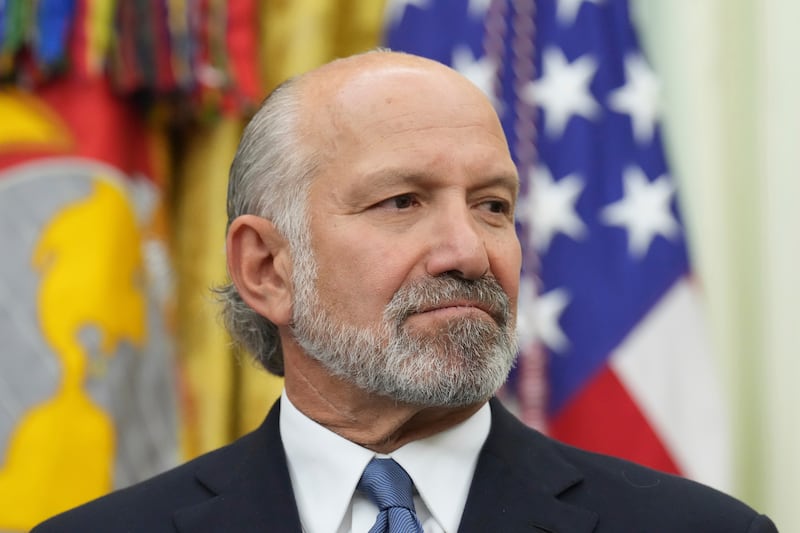
Lutnick was a disruptive force in the last few days of negotiations between the countries back in August.
Sources close to the Canadian negotiating team say he was responsible for introducing last-minute demands on culture, trade deals and autos that ultimately led to the talks breaking down in dramatic fashion at the 11th hour. Canadian government sources say their relationship with Greer during summer negotiations was much more “respectful and productive.”
Lutnick’s outreach to Canada coincides — by design — with increased pressure on Trump ahead of the U.S. midterm elections on Tuesday. Tariffs and the cost of living more generally have become an issue in certain key U.S. Senate races, including Michigan where the Republican candidate Mike Rogers has publicly denounced them during the campaign, despite initially being supportive.
- In Michigan’s election battle, Canada keeps coming up
- ‘Who picks a fight with Canada?’ Trade war angers Alaskan businesses ahead of U.S. midterms
- El-Sayed’s primary opponent stuns Democrats by endorsing Republican opponent in Michigan Senate race
Rogers, in an interview that aired Sunday night on CBS’ “60 Minutes,” said he “doesn’t like the tariffs” on Canadian exports, and told the program he has raised the issue personally with Lutnick. Rogers also said he would be willing to support congressional efforts to override the president on tariffs if that situation was to present itself.
Carney, Trump talk
In a post on X Sunday, Prime Minister Mark Carney characterized the talks over the last 10 days as “constructive discussions” and said he had a “good conversation” with Trump on the future of Canada-U.S. trade.
“This builds on our recent constructive discussions on the outlines of a mutually beneficial trade deal that would create jobs for our workers, boost affordability for families, and fully respect Canada’s languages, culture, and sovereignty,” Carney wrote.
“Our teams will now be working in the coming weeks to deliver that outcome.”
Trump told reporters Sunday afternoon that they had a “concept of a very good deal with Canada.”
“We’ve been losing money for many years with Canada ... many, many years, 70 to 75 years. So, we are now very close to having a deal,” he said.
“I spoke with the prime minister the other day. I spoke to him again yesterday, and we have the concept of a deal that’s going to be great for our farmers, great for our country, and it’ll be fine for Canada too.”
Two sources briefed on the conversations between the two leaders say the first one was 45 minutes and centred primarily on trade. The latest one was also “lengthy.”
Sources on the Canadian side of negotiations are still skeptical of the president’s willingness to compromise to get a deal, though they tell CTV News the prime minister does believe Trump is serious about wanting a deal with Canada.
As for what that deal might look like, sources tell CTV News discussions back in August are indicative of what Canadians should expect. Before those talks broke down, the Canadian negotiating team had landed on reduced tariffs for Canadian steel below a certain quota, a reduction in tariffs on aluminum, and provinces putting booze back on the shelves.
One major sticking point was autos, which is part of why talks broke down. The U.S. offer was a reduction in tariffs to 15 per cent but only for cars and light trucks. Canada wanted that reduction extended to larger trucks manufactured in Canada. Sources say there has been some movement in discussions over the last 10 days on this, but they anticipate it will remain a difficult part of negotiations.
With files from CTV News’ Graham Richardson and Marieke Walsh

