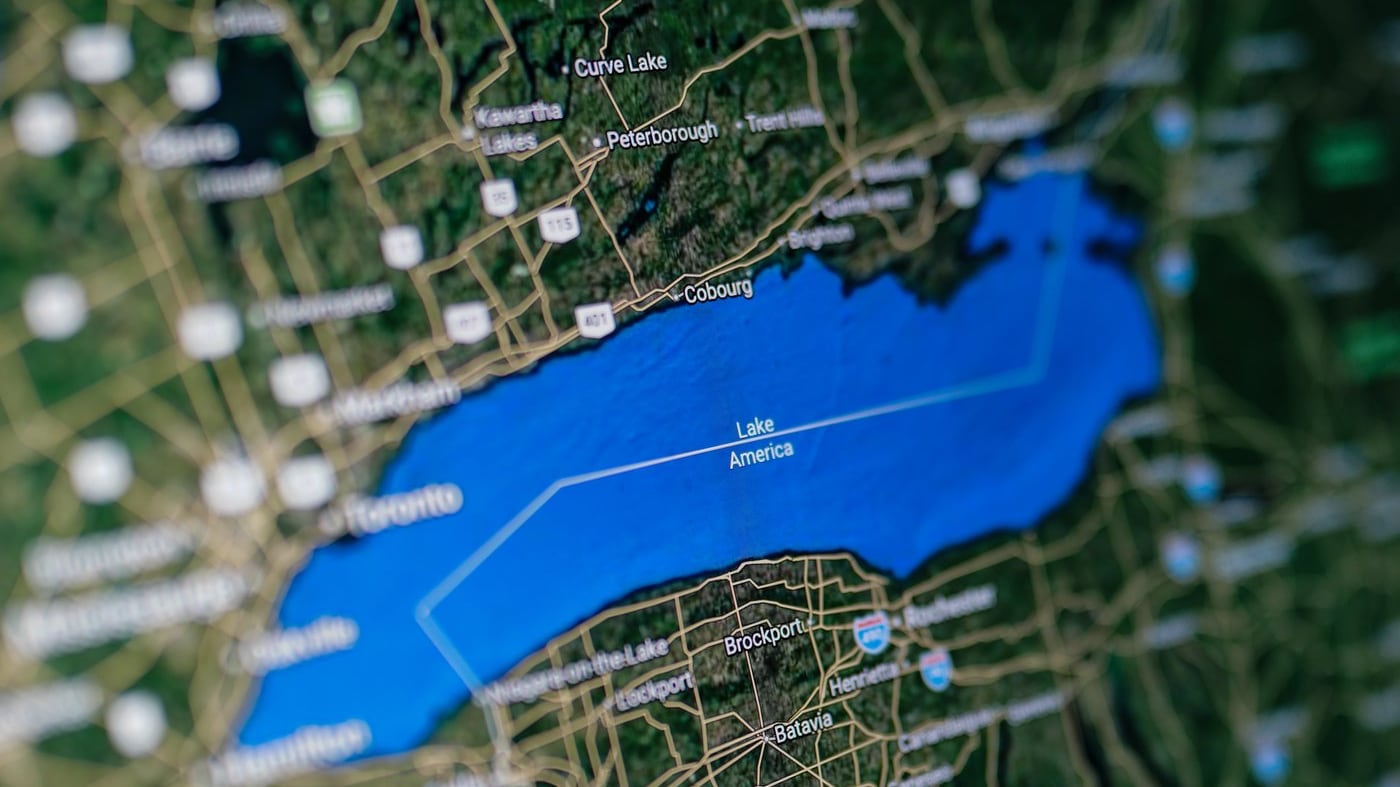
OTTAWA — The National Congress of American Indians is calling on U.S. President Donald Trump to walk back his August executive order renaming Lake Ontario as Lake America.
The organization, which represents American Indian and Alaska Native tribal governments in the United States, says the order demonstrates disrespect for Indigenous geographic names and Indigenous cultural, spiritual and historical relationships with lands and waters.
A resolution rejecting the name change, passed at the organization’s October assembly, was introduced by the Seneca Nation of Indians, a community based in western New York.
Trump directed all arms of the federal government to start calling the body of water Lake America in August, to the dismay of Haudenosaunee communities on both sides of the border whose languages are the source of the name “Ontario.”
Lake Ontario is known in Seneca as “sga:nyodai:yoh,” meaning “beautiful lake,” and in Wendat as “ontari:io,” meaning “the lake is beautiful, the lake is big.”
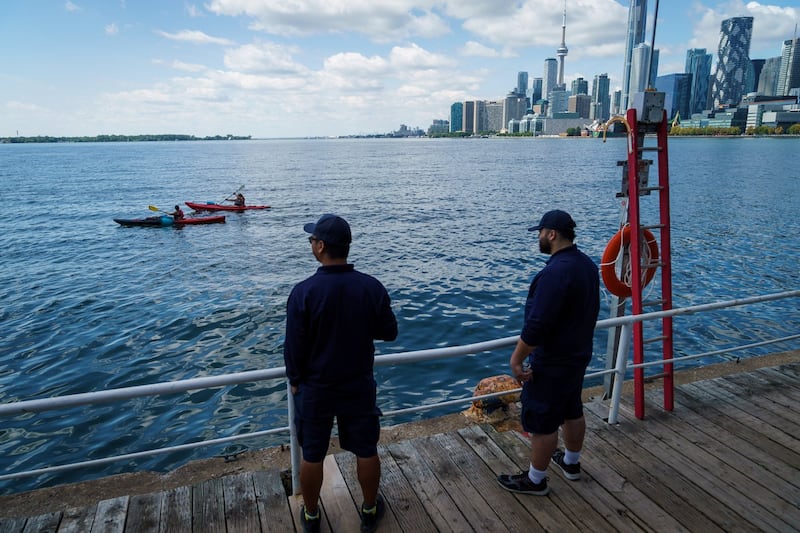
The resolution says unilateral efforts to rename geography risk erasing Indigenous history and calls on the U.S. federal government to suspend its use of the term “Lake America.”
“The National Congress of American Indians opposes the removal, replacement, or erasure of Indigenous names of lakes, rivers, mountains, and other geographic features and calls upon federal, state, and local governments, geographic naming authorities, and public and private entities to preserve and respect those names in consultation with affected Tribal Nations,” it says.
“Lake Ontario is one example of the enduring Indigenous relationships with geographic features that this resolution seeks to protect, having been known to and used by the Seneca and other Haudenosaunee peoples since time immemorial for travel, trade, diplomacy, subsistence, and cultural practices, and bearing a commonly used name derived from Indigenous linguistic roots.”
Wendat Nation Grand Chief Pierre Picard told The Canadian Press his nation was “shocked” to hear about Trump’s renaming of Lake Ontario. He called it an attempt to eradicate their history in the region.
The Wendat occupied parts of the St. Lawrence Valley up to the Great Lakes and the area was rich with both pre- and post-contact trade routes.
The name Lake Ontario predates the founding of both Canada and the United States.
Trump’s move was ridiculed by Wisconsin Gov. Tony Evers, a Democrat. He posted a video of himself at a McDonalds restaurant, signing a fast food napkin to decree that Lake Michigan would now be called “Lake Wisconsin.”
“See, I can sign napkins that say things, too,” Evers wrote on X at the time.
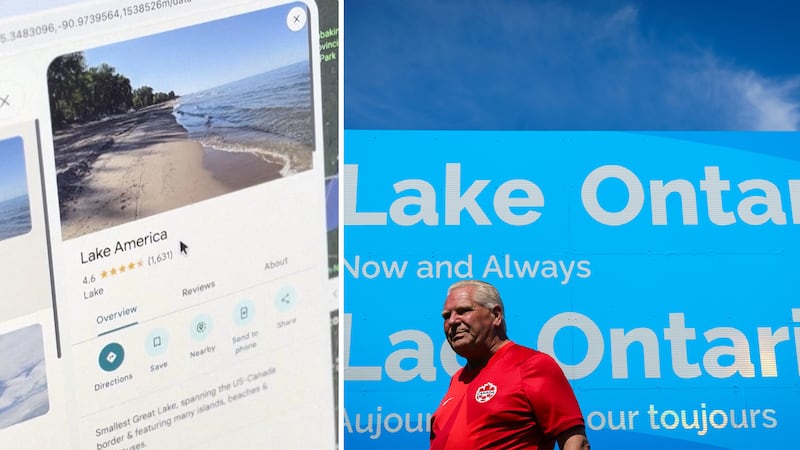
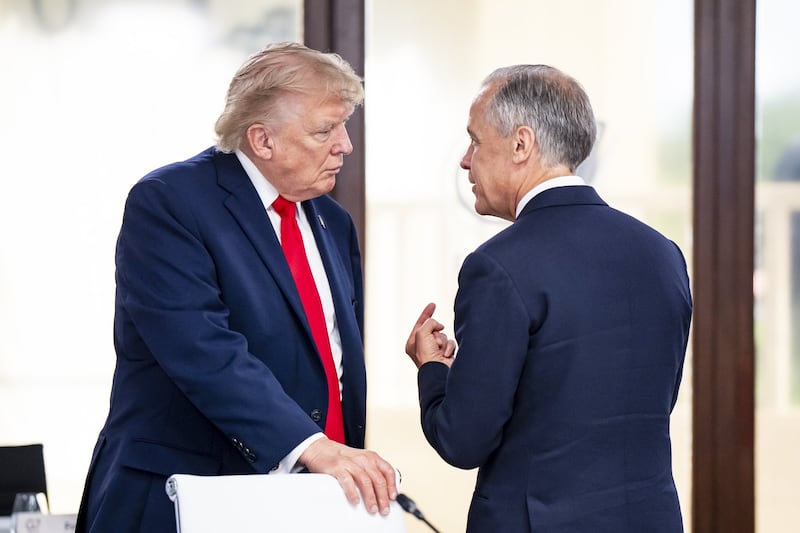
Prime Minister Mark Carney has said the lake remains Lake Ontario “then, now and always.”
This report by The Canadian Press was first published Nov. 17, 2026.
Alessia Passafiume, The Canadian Press

