Toronto’s Pearson International Airport and Air Transat are among those who have contacted a Montreal company about technology that could stop bag tags from being switched, W5 has learned.
The interest comes after W5’s documentary “That’s Not My Bag” exposed a scheme in which corrupt airport workers take the tag off an unsuspecting traveller’s suitcase and put it on a bag of drugs.
“Right now I have a very strong sense that this will be happening,” Bill Drori, president of Tamperguard, told W5.
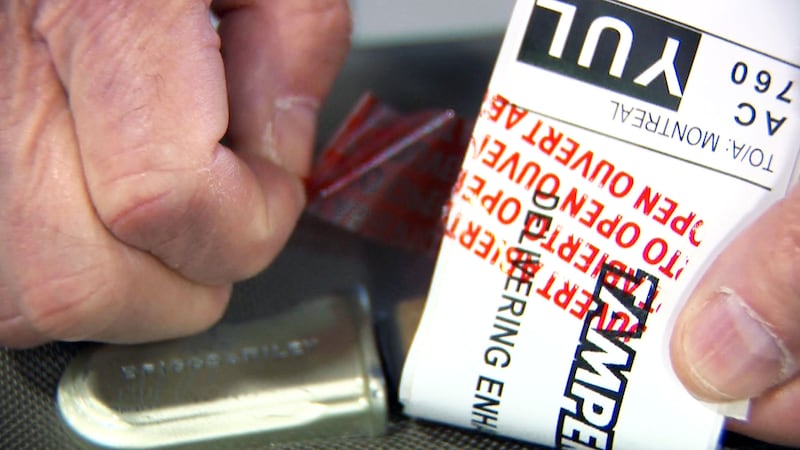
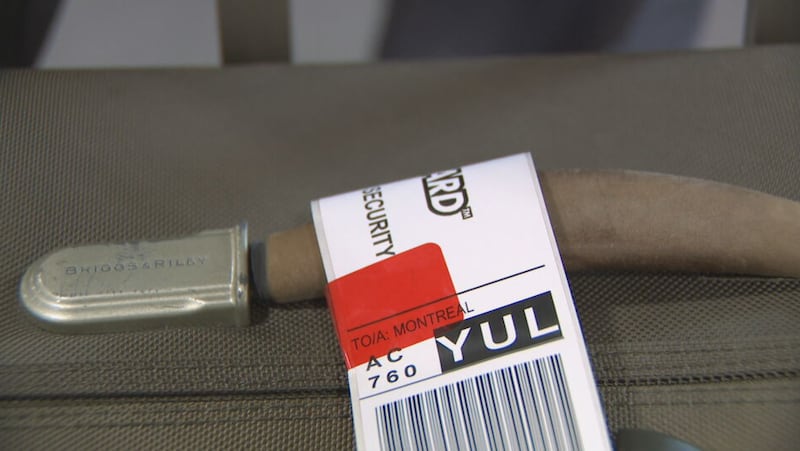
Tamperguard makes tamper-evident seals used on police evidence bags and airport duty-free bags. A decade ago, the company developed an adhesive that could be built into airline bag tags. While a normal tag can be peeled off and stuck back on dozens of times, a tag made with Drori’s material reveals a “VOID” message and can’t be re-glued.
Tamperguard doesn’t make the tags itself. It would supply the material to the companies that already print tags for airlines.
Drori says he presented the idea at an aviation security conference 10 years ago, and there were no takers.
That changed the night the W5 documentary aired.
Flooded with calls
Drori said he woke up to about 50 emails the day after the documentary aired.
He said Toronto’s Pearson International Airport, Alberta’s Fort McMurray International Airport and the airline Air Transat were among them.
Drori said that he believes he can have the adhesive ready for tag manufacturers by the end of January.
He said that he has also been in touch with a label manufacturer that produces baggage tags for Canadian airlines.
“And we’re producing a sample, a roll for them to then make samples for their clients,” he said. “They seem to be really interested in it.”
W5 reached out to several Canadian airports to see whether they were considering changing their tag technology. None would say specifically. Many said that media inquiries on the topic should be directed to the Canadian Airports Council.
In a statement provided to W5, Monette Pasher, the president of the industry group representing Canadian airports, said baggage tags have to comply with standards set by the International Air Transport Association (IATA).
“Any change to tag design, including tamper-proof features, would need to be adopted through IATA to work across the international system,” Pasher said.
However, an IATA spokesperson told W5 it’s up to airports and airlines to “decide individually from which suppliers they source the tags.”
A possible fast fix for travellers
Drori is also developing a miniature version of his technology that can go on top of the baggage tags in use right now. To remove the tag, Drori’s label would also have to be removed.
“And it would leave a message saying that the tag has been removed, has been tampered with,” he said.
If it’s approved by airports and airlines, Drori said he could have the product ready in a matter of days. A pack of 12 would sell for $25, he said.
Government plans to tighten security
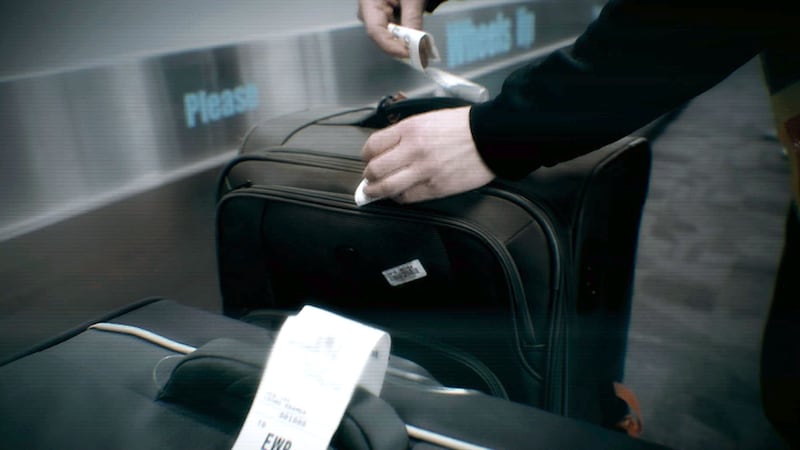
W5’s investigation revealed several new cases of bag tag switching — where corrupt airport workers remove the bag tag from an unsuspecting traveller’s suitcase, attach it to a bag of drugs, and send it on its way.
If it makes it through undetected, an accomplice is waiting at the destination to pick it up. If not, the traveller whose name is now on the bag is left to explain themselves.
Drori’s tags would likely prevent corrupt workers at airports from removing someone’s tag and placing it on a bag of drugs.
However, they would not prevent that worker from printing a new baggage tag under that person’s name — something law enforcement officials have said is another way to pull off a tag switch.

Federal Transport Minister Steven MacKinnon said he’s planning to overhaul airport security after W5’s investigation by tightening access to security passes and restricted areas.
W5 revealed on Wednesday that Transport Canada has approved airport security passes for about 7,000 employees with criminal records over the past five years. It’s unclear which offences these people committed, in which airports they work and where exactly in the airport they are employed.
MacKinnon said on Wednesday that a criminal record shouldn’t impede someone’s ability to work at a restaurant in an airport.
The government receives tens of thousands of applications and assesses each one “on their merits based on people’s threats to airport security,” he said.
Correction
A previous headline for this story included an incorrect price for the tags manufactured by Tamperguard.

