MONTREAL – The Supreme Court of Canada is set to make history with a ruling on Quebec’s secularism law, and those who argued their case before the top court say the stakes could not be higher for democracy.
Bill 21 bans public sector employees from wearing religious symbols like turbans, hijabs or crosses on the job, and whether a government can take away religious rights is central to the court case.
Quebec Premier Paul St-Pierre Plamondon argues that Quebec’s right to decide its own laws are on the line. The province invoked the notwithstanding clause when it brought in Bill 21, which allows legislatures to override certain rights and freedoms protected by the Charter of Rights and Freedoms.
“We never agreed on that Constitution,” said Plamondon. “And then that Constitution that we never agreed upon would be used against our parliament to make choices that are very clear and very democratic. That’s serious stuff.”

Teachers, religious and civil liberties groups and the English Montreal School Board brought the legal challenges against Bill 21 to court. Stephen Brown, CEO of the National Council of Canadian Muslims, said the issue has been politicized but that behind the politics are thousands of people’s lives that have been impacted.
“This is about the fact that the Quebec government wants to be left alone to discriminate against its religious minorities in peace, and we have no intention of ever allowing them to do so,” said Brown.
The notwithstanding clause is central to the case. Quebec invoked it to shield Bill 21 from a constitutional challenge. It allows legislatures to override certain rights and freedoms and has been deployed more frequently in recent years including by Alberta and Saskatchewan.
Many will read the Supreme Court’s decision with an eye on whether it moves to reign in its use.
“If a government can simply override the Charter whenever it wants to, then we don’t have a Charter of Rights and Freedoms,” said Brown. “We have a charter of suggestions and permissions.”
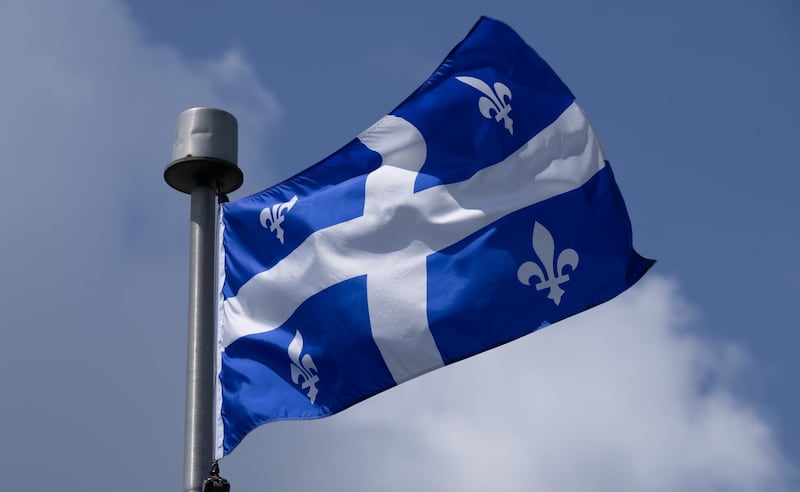
The Supreme Court decision will come down on the same day an appeal will be heard regarding a Superior Court decision that compels Quebec’s Members of the National Assembly to swear allegiance to the King to sit in the Salon Bleu, or the chamber of the Assembly.
“This could trigger an even bigger constitutional crisis, a bigger showdown,” said political analyst Raphaël Melançon. “It could be Christmas a month ahead of time for the sovereigntists.”
Whether or not the decision could fuel independence sentiment in Quebec, intervenors say the decision could be one of the most consequential decisions in modern Canadian democracy.

