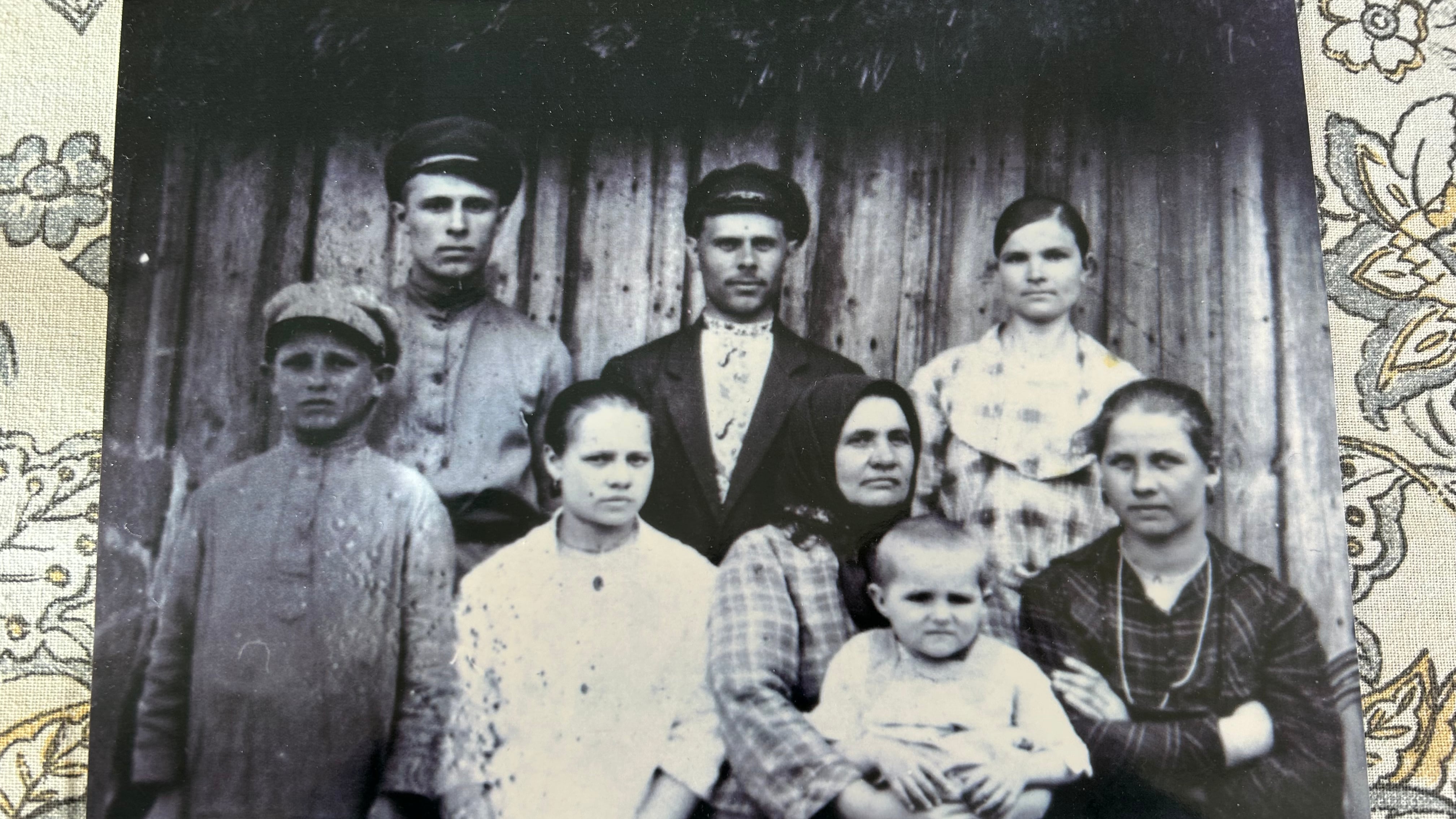
WINNIPEG – Sonia Lebedin’s parents were both survivors of the Holodomor, an engineered famine and genocide that occurred in Ukraine between 1932 and 1933 and resulted in the deaths of millions.
The Soviet regime, under the leadership of Joseph Stalin, ordered food seizures in the early ‘30s.
For decades, the Holodomor remained largely unknown to the outside world, as the Soviet Union suppressed information about the famine and denied what had happened.
Now, 93 years later, very few survivors remain to share their stories.
“They were very lucky to survive,” Lebedin said. “They saw many people around them die.
“My father was on the verge of death. There was an aunt who had a little extra food who tried to feed him and kept saying to him, ‘Don’t die, don’t die.’”
Lebedin said her mother, Anna, had to lie about who she was.
“She said she was an orphan. She got a job at a huge state farm, and this is how she survived,” Lebedin said.
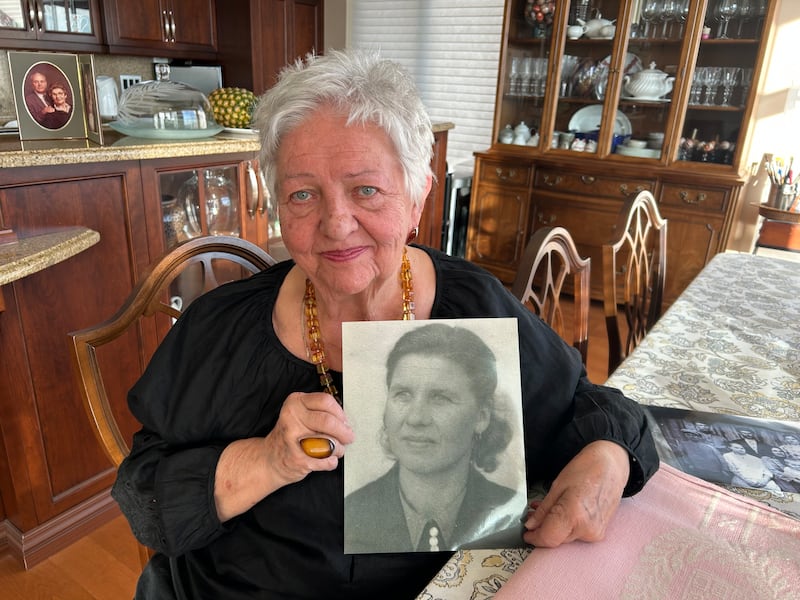
In the spring of 1933, her mother was given a coverlet – an item Lebedin still keeps in her home more than nine decades later.
Since her mother died more than a decade ago, the coverlet has become one of the last tangible connections to her mother’s traumatic past.
For Lebedin, it serves as a constant reminder of the suffering both of her parents endured.
“It’s very upsetting; it’s very sad. It makes me very angry,” she said.
“It’s very important to tell this story, so more and more people are aware of what happened … It makes me wonder how people can be so awful to other people. I don’t understand and it’s going on even now.”
Canada officially recognized the Holodomor as an act of genocide on May 29, 2008, when the federal government enacted the Ukrainian Famine and Genocide Memorial Day Act.
Similar legislation was then passed by seven provinces, including Manitoba.
National Holodomor Memorial Day is held annually on the fourth Saturday of November, with commemorative events happening across the country.
Different methods, same goal
As Russia’s full-scale invasion of Ukraine approaches its fifth anniversary, members of the Ukrainian community say the parallels between the country’s past and present are difficult to ignore.
Orest Zakydalsky with the Ukrainian Canadian Congress says Ukrainians are facing a similar situation now as they did 93 years ago.
“For five years, Russia has waged the genocidal war against Ukraine, bombing Ukrainian cities, abducting Ukrainian children, murdering Ukrainian civilians, doing through aggressive war… what the Soviet government of Stalin did through starvation and confiscation of food,” he said. “The methods are different. The goal is the same, unfortunately.”
“We need to remember the victims of the Holodomor and also do everything we can to help Ukraine defend itself today.”
He added the Ukrainian community is grateful to the Canadian government and other allies for their continued support of Ukraine and the Ukrainian people over the last five years.
As for Lebedin, she says it’s heartbreaking to see history continuing to repeat itself.
Although both of her parents have died, she believes sharing their experiences is more important than ever.
Every November, she lights a candle in memory of the millions of victims of the Holodomor.
“I hope that commemorating will keep the memory of those poor souls alive, who were innocent, who were murdered by a regime that wanted to eliminate an entire nation,” she said.
“I hope their memory is eternal.”

